
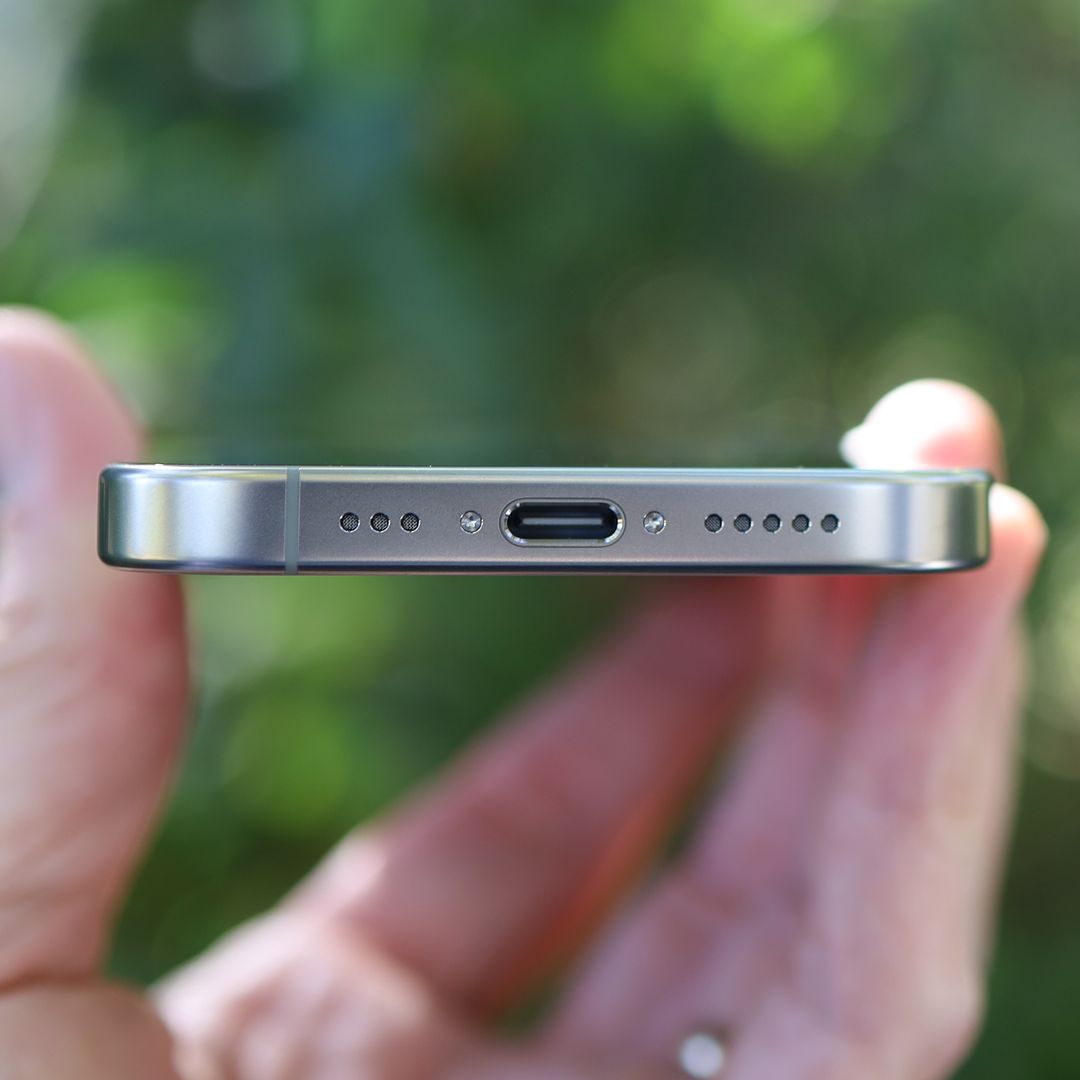
Dropping your iPhone 17 and watching the OLED screen shatter into a thousand cracks triggers that immediate gut-punch feeling where you know you're about to spend absurd money fixing something that was perfect thirty seconds ago. The Apple iPhone 17 screen replacement OLED costs will absolutely wreck your day, with pricing ranging from financially devastating official Apple service to suspiciously cheap options that sound appealing until you understand what corners they're cutting.
E-TECH61 is a trusted UK-based online store specializing in genuine iPhone parts for all series, providing quality replacement components when your device needs repairs. This breaks down the brutal reality of OLED replacement costs, the massive quality differences between repair options, whether DIY makes any sense whatsoever, and how to avoid getting completely screwed when you're already frustrated about your shattered screen.
Apple's Official Repair Pricing Reality
Apple charges £349-£429 for Apple iPhone 17 screen replacement OLED through their official repair service, which feels like getting financially mugged while already dealing with a broken phone. This astronomical pricing covers the Super Retina XDR OLED display with all original features, professional installation, and maintains your warranty, but it's genuinely painful spending almost half a replacement phone's cost on a single component.
AppleCare+ coverage transforms this nightmare into a manageable £29 service fee, suddenly making that £200 AppleCare+ purchase seem like absolutely brilliant insurance planning. Without AppleCare+, you're staring at the full repair cost that makes you seriously question whether you actually need a functioning screen or can somehow survive with shattered glass.
The official pricing includes genuine Apple OLED panels maintaining all original specifications including 60Hz refresh rate, True Tone color adjustment, peak brightness reaching 1200 nits, and perfect color accuracy. You're paying premium prices but receiving authentic components installed by trained technicians with warranty coverage on the repair work itself.
Third-Party Repair Shop Costs
Independent repair shops charge £220-£360 for Apple iPhone 17 screen replacement OLED using quality OLED panels that approximate original specifications. This represents savings of £90-£180 compared to Apple while still using proper OLED technology rather than inferior LCD substitutes that some shops deceptively market.
The quality variation between third-party shops is absolutely enormous, ranging from excellent professionals using premium components to complete cowboys installing the cheapest garbage they can source. Research shop reputations thoroughly through reviews, verify warranty terms carefully, and confirm they're using genuine OLED panels rather than budget LCD alternatives marketed with misleading language.
Labor typically runs £60-£100 depending on location, shop overhead, and technician expertise, with the remaining cost covering the OLED panel itself. Shops in less expensive locations with lower overhead can offer better pricing while still providing quality service using proper components from reputable suppliers like E-TECH61.
Also Read:
iPhone 15 Pro Max LCD Display Screen Replacement
OLED Quality Tiers Explained
Not all replacement OLED panels for Apple iPhone 17 screen replacement OLED are created equal, with distinct quality tiers affecting both price and performance dramatically. Original Apple panels salvaged from broken phones represent the highest quality but cost £200-£280 wholesale and may have completely unknown usage history.
Premium aftermarket OLED panels manufactured to Apple specifications cost £150-£220 wholesale and deliver performance approaching genuine Apple screens. These maintain accurate colors, proper brightness levels, and reliable touch response that makes them viable alternatives to official Apple service for budget-conscious users.
Budget OLED panels costing £90-£140 wholesale exhibit compromised performance with reduced brightness, inferior color accuracy, slower touch response, or visible quality issues. These cheaper options technically use OLED technology but don't replicate the premium experience that justifies choosing iPhone over cheaper alternatives.
The LCD Replacement Scam
Some repair shops quote £120-£180 for Apple iPhone 17 screen replacement OLED using LCD technology instead of OLED, representing a catastrophic downgrade they often fail to explain clearly when advertising cheaper prices. This deceptive practice preys on customers who don't understand the fundamental technology differences.
The iPhone 17 originally features Super Retina XDR OLED with true blacks from self-illuminating pixels, superior contrast ratio, better viewing angles, and more vibrant colors. LCD replacements eliminate these quality advantages, reducing your flagship phone to budget-tier display performance.
Choosing LCD saves £150-£250 compared to proper OLED replacement but fundamentally compromises your phone's capabilities and destroys the user experience. The initial savings evaporate through reduced resale value, daily frustration with inferior display quality, and missing visual performance you paid flagship prices to originally enjoy.
True Tone Functionality Loss
One critical issue with Apple iPhone 17 screen replacement OLED using third-party panels is that you typically lose True Tone functionality unless the repair shop possesses specialized programming equipment costing thousands of pounds. True Tone adjusts screen color temperature based on ambient lighting, and it's tied to serialized chips requiring professional reprogramming tools.
Most repair shops cannot preserve True Tone functionality, resulting in a persistent warning message in Settings stating "Unable to verify this iPhone has a genuine Apple display." This warning doesn't affect actual functionality beyond missing True Tone, but it serves as a permanent reminder you're using non-genuine components that impacts resale value.
Premium repair shops with proper programming equipment can preserve True Tone for an additional £40-£70, making the total repair cost approach Apple's official pricing while still using aftermarket components. Whether this makes financial sense depends entirely on your priorities regarding authenticity versus cost savings.
DIY Replacement Risks and Reality
Attempting Apple iPhone 17 screen replacement OLED yourself requires advanced technical skills, specialized tools costing £40-£80, and accepting catastrophic risk of permanently damaging your phone. The process involves heating adhesive, removing the display while avoiding cable damage, disconnecting multiple ribbons in specific order, transferring Face ID components, and reassembling without breaking anything.
The most devastating risk is damaging the Face ID module during component transfer, which permanently disables Face ID with absolutely no repair possible by third parties. One mistake costs you a critical security feature forever, turning your DIY "savings" into catastrophic loss exceeding professional repair costs many times over.
OLED panels for DIY purchase cost £150-£250 from quality suppliers like E-TECH61, meaning you're saving perhaps £70-£140 in labor costs while accepting all risk yourself. Unless you have extensive iPhone repair experience and proper tools, attempting screen replacement yourself is genuinely foolish given the potential for expensive mistakes.
Also Read:
iPhone LCD Screen Replacement
iPhone 17 Purple Back Glass Damage
Sometimes front screen damage coincides with shattered iPhone 17 purple back glass requiring additional repairs beyond just the display. The purple back glass uses the same material as other color options but shows damage particularly obviously due to the color contrast against cracks.
Back glass repair costs £90-£160 through professional services using laser separation techniques, or £180-£280 for complete housing replacement including the metal frame. Combining front screen and back glass repairs simultaneously typically saves £40-£70 in labor compared to separate repair sessions.
E-TECH61 supplies quality replacement back glass panels for DIY repairs, though back glass replacement is significantly more difficult than screen replacement due to extremely strong adhesive and risk of damaging internal wireless charging components during removal.
iPhone 17 Pro Max Lens Replacement
Severe impacts causing screen damage sometimes also crack camera lenses requiring iPhone 17 Pro Max lens replacement on the rear camera module. The camera lens covers use sapphire crystal providing excellent scratch resistance but can still shatter from direct impacts to the camera bump area.
Camera lens replacement costs £45-£90 professionally or £18-£35 for quality replacement lens covers if attempting DIY installation. The process requires removing the camera module, carefully replacing just the external lens covers, and reassembling without contaminating internal optics with dust or fingerprints.
Camera functionality depends on perfectly clean optics free from dust, moisture, or adhesive residue. Professional installation includes proper cleaning and sealing that DIY attempts often lack, resulting in image quality degradation from contamination introduced during amateur repairs.
iPhone 17 Pro SIM Card Tray Issues
Physical impacts severe enough to shatter screens sometimes also damage the iPhone 17 Pro SIM card tray, bending or breaking the mechanism. The SIM tray costs £10-£20 depending on finish color and requires zero technical skill to replace since it simply slides into the external slot.
SIM trays come in various finishes matching different iPhone colors, so ordering the correct finish maintains your phone's appearance. Third-party SIM trays sometimes fit loosely or don't sit perfectly flush with the phone body, making quality sourcing important even for simple external components.
The internal SIM card slot can sustain damage from forcing the tray incorrectly or inserting wrong-sized cards. Internal slot damage requires professional repair accessing internal components and costs £55-£95, unlike simple external tray replacement you can perform yourself in seconds.
Water Resistance Permanent Loss
Factory-sealed iPhone 17 devices have IP68 water resistance rated for 6 meters depth for 30 minutes. Apple iPhone 17 screen replacement OLED almost always permanently compromises this protection unless repairs use proper adhesive and sealing techniques that most third-party shops don't bother with properly.
Replacement screens typically use cheaper adhesive than Apple's original water-resistant seals, leaving microscopic gaps where moisture can enter. Even if repair shops claim to restore water resistance, most lack the testing equipment to verify seals properly and are essentially guessing.
After any screen replacement, treat your iPhone as having zero water protection regardless of what the repair shop promises or guarantees. One exposure to water could cause catastrophic internal damage that warranty won't cover, leaving you with an expensive paperweight. The IP68 rating is permanently gone.
Face ID Transfer Complications
Face ID functionality depends on proper transfer of the original sensor array from the broken screen to the Apple iPhone 17 screen replacement OLED. The Face ID module is security-paired to your specific phone and cannot be replaced without permanently disabling the feature entirely.
Damaging Face ID components during transfer creates an unfixable problem since third-party repair shops cannot repair or replace Face ID modules under any circumstances. Even professional shops occasionally damage these delicate components during screen replacement, though reputable ones warranty against this catastrophic failure.
Testing Face ID immediately after screen replacement and before leaving the repair shop is absolutely essential. If Face ID doesn't work after repair, the shop needs to address it immediately while you're still there rather than discovering the problem later when they might claim it was working when you left.
Also Read:
Apple iPhone 17 Screen Replacement
Brightness and Color Accuracy
Premium Apple iPhone 17 screen replacement OLED panels maintain the original 800-1200 nit brightness enabling outdoor visibility in direct sunlight. Budget OLED panels often max out around 500-700 nits, washing out noticeably in bright conditions where the original screen remained perfectly readable.
This brightness difference dramatically affects usability outdoors or in bright environments. Budget panels force you to find shade or cup your hand around the screen to see anything, while proper replacement OLED cuts through bright light maintaining usability anywhere.
Color accuracy varies dramatically between OLED panel quality tiers. Budget panels exhibit color shifts, inaccurate whites, or oversaturated primaries that make photos and videos look completely wrong compared to the original display. Premium panels maintain color accuracy approaching genuine Apple specifications.
Warranty Coverage Assessment
Check whether your Apple iPhone 17 screen replacement OLED qualifies for warranty coverage before paying for repairs. Manufacturing defects causing screen failure within the warranty period should receive free coverage, though accidental damage obviously isn't warranty work under any circumstances.
AppleCare+ coverage transforms the repair economics completely, reducing screen replacement to a £29 service fee versus £349-£429 without coverage. If you have AppleCare+, using Apple's official service makes overwhelming sense given the minimal cost and guarantee of genuine parts and proper installation.
Third-party repairs void any remaining Apple warranty, though this only matters if warranty coverage actually exists. For out-of-warranty phones several years old, the warranty issue becomes completely irrelevant since you have nothing left to void anyway.
Touch Response Quality
Quality differences in Apple iPhone 17 screen replacement OLED show up dramatically in touch sensitivity and response times. Cheap OLED screens have noticeably delayed touch response, phantom touches registering inputs you didn't make, and dead zones that don't respond reliably to touches.
Premium OLED screens use better digitizer technology closely approximating original touch sensitivity, making typing and gestures feel natural and responsive. Gaming becomes particularly important for touch response quality, with competitive mobile games requiring precise timing suffering from poor digitizer performance.
Test touch functionality thoroughly before accepting repairs from any shop. Use keyboard typing tests, drawing apps, or dedicated touch testing tools to check all screen areas and verify responsiveness before paying and leaving with your supposedly repaired phone.
Resale Value Impact
Apple iPhone 17 screen replacement OLED using genuine Apple service maintains maximum resale value since the repair is documented in Apple's systems and uses authentic components. Third-party repairs reduce resale value by £80-£180 depending on repair quality and whether critical features like True Tone were preserved.
Budget LCD screen replacements destroy resale value catastrophically, reducing what informed buyers will pay by £180-£320 compared to phones with original or properly replaced OLED screens. Knowledgeable buyers immediately detect LCD substitutes and missing features, making deception impossible.
Always disclose repair history completely when selling devices, describing exactly what was repaired and by whom. Transparency prevents disputes and negative feedback while building buyer confidence that you're honest about the phone's condition and complete history.
Repair Time Expectations
Apple Store repairs typically require appointments scheduled days in advance unless you get extremely lucky with same-day availability. Third-party shops often complete Apple iPhone 17 screen replacement OLED within 1-3 hours, providing dramatically faster service when you need your phone functioning immediately.
Some shops charge urgency premiums of £30-£60 for guaranteed same-day service. Unless you genuinely need immediate repair, scheduling non-urgent work during slower periods sometimes yields better pricing and more careful attention to the repair process.
Mail-in repair services offer convenience for people without local repair options, though shipping adds several days and creates risk of additional damage during transit. Insurance during shipping is absolutely essential given you're mailing an already-damaged expensive device worth hundreds of pounds.
Quality Parts From E-TECH61
Getting genuine quality components for Apple iPhone 17 screen replacement OLED requires buying from reputable UK suppliers like E-TECH61 that stock authentic parts matching original specifications. Marketplace sellers offering suspiciously cheap screens deliver inferior quality that fails quickly or exhibits poor performance from day one.
Verify seller reputation through extensive reviews, confirm return policies allowing defective parts return, and check warranty terms covering component failures. Quality suppliers provide accurate descriptions, remain honest about any limitations compared to genuine Apple parts, and stand behind their products completely.
Beware of sellers claiming "original Apple" screens at prices far below genuine Apple service costs. Most "original" claims are outright lies or refer to salvaged parts pulled from broken phones with completely unknown damage history and uncertain remaining lifespan.
Making Your Repair Decision
Choosing between Apple official service, third-party shops, or DIY for Apple iPhone 17 screen replacement OLED depends on warranty status, budget constraints, and quality expectations. AppleCare+ coverage makes Apple service the absolutely obvious choice given the minimal £29 fee and guarantee of proper repair.
Without AppleCare+, reputable third-party shops using quality OLED panels from suppliers like E-TECH61 offer the best balance of cost and quality for most people. You save £100-£180 compared to Apple while maintaining OLED technology and proper functionality if you choose shops carefully.
DIY attempts only make sense for experienced repair technicians comfortable with catastrophic risks and possessing proper specialized tools. Everyone else should pay for professional installation, avoiding the very real possibility of turning a £280 repair into a £600+ disaster through amateur mistakes that permanently disable critical features like Face ID.
The brutal reality is that Apple iPhone 17 screen replacement OLED costs hurt badly regardless of which option you choose, but understanding the real differences between options prevents making expensive mistakes based on incomplete information or deceptive repair shop claims designed to maximize their profits at your expense.
Share:
Will the iPhone 17 Be the Ultimate Gaming Phone? | iPhone 17 Gaming Performance
iPhone 17 Pro OLED Screen Replacement: What You're Actually Paying For