
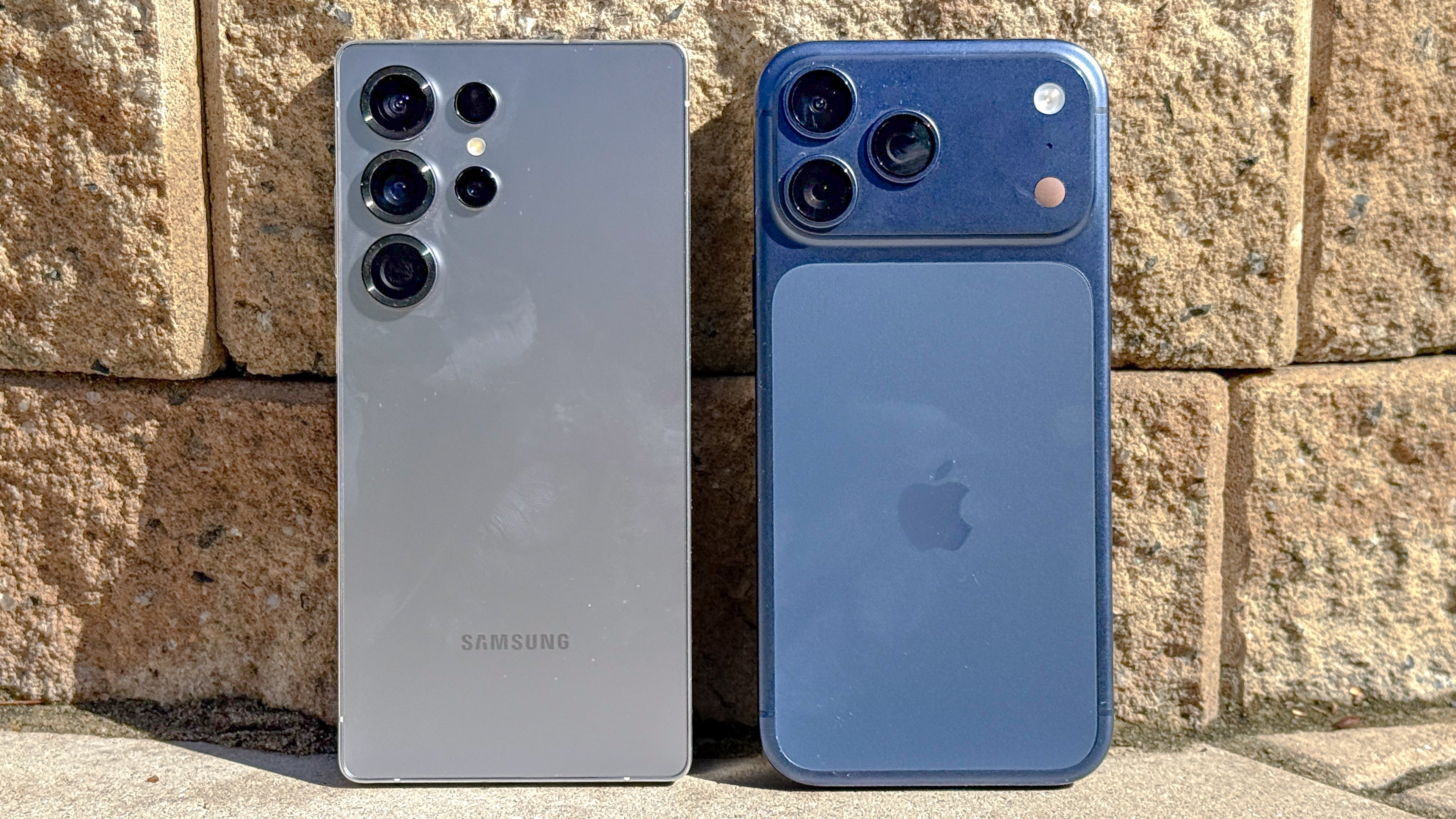
I have owned both iPhones and Samsung flagships at various points in my life. Switching between ecosystems is never a small decision. It involves rethinking how you back up photos, how you share files, how your smartwatch connects, and frankly how your entire digital life is organised. So when both the Apple iPhone 17 Pro Max and the Samsung Galaxy S26 Ultra landed in the same year as genuine flagship contenders, I decided to do what I wish someone had done for me years ago. Put them side by side honestly, without brand loyalty clouding the comparison.
This is not a spec sheet exercise. This is a real world breakdown of two extraordinary devices competing for the same buyer. By the end of this article you will know which one suits your life better, and why the answer is not the same for everyone.
Apple iPhone 17 Pro Max: The Case for Staying in the Apple Ecosystem
Let me start here because most people reading this comparison already own one brand or the other. Switching has a cost beyond money. It costs time, familiarity, and the comfort of knowing exactly where everything is.
The Apple iPhone 17 Pro Max makes the case for staying in the Apple ecosystem more convincingly than any previous iPhone. The integration between iPhone, Mac, iPad, Apple Watch, and AirPods has reached a level of seamlessness that genuinely impresses even people who take it for granted daily.
AirDrop works instantly. Handoff between devices is invisible. iMessage threading across all devices stays perfectly synchronised. Universal Clipboard means copying on your Mac and pasting on your iPhone without thinking. These are not headline features. They are the quiet infrastructure that makes daily life with Apple products feel effortless in a way that is genuinely difficult to replicate across competing ecosystems.
The A19 Pro chip performance underpins everything the iPhone 17 Pro Max does. Processing speed, machine learning tasks, computational photography, real time video processing, and on device AI capabilities all benefit from silicon that no Android competitor currently matches at the architectural level.
Also Read:
Apple iPhone 17 Screen Replacement
Samsung Galaxy S26 Ultra: The Case for Android Freedom
Samsung's Galaxy S26 Ultra enters this comparison carrying its own compelling argument. Android freedom is real and meaningful for the right user.
Customisation depth that iOS simply does not offer. Default app replacement at every level. File system access without requiring workarounds. Sideloading applications outside official stores. Widget flexibility that makes home screens genuinely functional rather than decorative.
The S Pen integration remains a Samsung exclusive that has no iPhone equivalent whatsoever. For note takers, sketch artists, document annotators, and professionals who think better with a stylus than a keyboard, the S26 Ultra offers something the Apple iPhone 17 Pro Max fundamentally cannot match regardless of how good everything else is.
Samsung's display technology competes directly with Apple at the highest level. Brightness, colour accuracy, refresh rate, and outdoor visibility all perform at flagship standard. The S26 Ultra screen is genuinely excellent by any objective measurement.
iPhone 17 Pro Max Camera Lens vs Samsung S26 Ultra Camera System
This is the section most people came here for. Camera comparison between these two devices is genuinely the most contested territory in the flagship smartphone market.
The iPhone 17 Pro Max Camera Lens array represents the most technically sophisticated mobile imaging system Apple has ever produced. Main sensor improvements deliver dynamic range and colour science that captures light the way human vision perceives it rather than the processed interpretation cheaper sensors produce. Shadows hold detail. Highlights breathe. Skin tones across diverse subjects in varied lighting read naturally without artificial correction.
Telephoto performance on the iPhone 17 Pro Max has extended meaningfully over the iPhone 16 generation. Optical zoom reach pulls distant subjects into frame with clarity that was simply not achievable on smartphones two generations ago.
Samsung responds with its own impressive telephoto capabilities plus a periscope zoom system that achieves extreme focal lengths the iPhone cannot match optically. If long distance zoom is your primary photographic interest, the S26 Ultra wins this specific category clearly.
Video recording has been a traditional Apple strength and the iPhone 17 Pro Max maintains that advantage. Log format recording, improved Cinematic mode, and stabilisation performance combine to make the iPhone the preferred choice for serious video creators. Samsung has closed the gap substantially but Apple's video processing pipeline still edges ahead in professional workflow integration.
For photography overall, the honest assessment is this. Both cameras are exceptional. iPhone images look more natural and film like. Samsung images are processed more aggressively, which some users prefer and others find overdone. Personal taste determines the winner here more than objective quality difference.
Battery Life: Which Flagship Actually Lasts
Battery life is where flagships have historically disappointed the people paying premium prices for them. Carrying a power bank alongside a thousand pound smartphone should feel embarrassing. For too many generations it felt necessary.
The Apple iPhone 17 Pro Max addresses this properly. Real world battery life pushes heavy users comfortably through a full working day and rewards moderate users with genuine two day performance. This represents meaningful improvement over the iPhone 16 Pro Max that previous generation buyers noticed immediately.
The Samsung Galaxy S26 Ultra matches or slightly exceeds the iPhone 17 Pro Max in raw battery longevity for many usage patterns. Samsung's larger physical chassis accommodates a substantial battery cell and the efficient Snapdragon processor manages power consumption intelligently.
Charging speed is where Samsung pulls ahead more clearly. The S26 Ultra supports faster wired charging than the iPhone 17 Pro Max. Topping up from low battery to full charge takes noticeably less time on Samsung than Apple. For users who regularly find themselves needing quick charge bursts during busy days, this matters practically.
MagSafe wireless charging on the iPhone 17 Pro Max is convenient and increasingly supported by third party accessories. Samsung's wireless charging is fast and capable but lacks the ecosystem of MagSafe accessories that Apple has built around its magnetic attachment system.
Also Read:
iPhone 17 SIM Card Tray
Display Comparison: Two Different Philosophies
iPhone 17 Pro Max display size delivers ProMotion adaptive refresh between 1Hz and 120Hz with peak brightness that handles direct sunlight comfortably. The panel calibration prioritises colour accuracy and natural reproduction over maximum saturation.
Samsung's display philosophy differs deliberately. The S26 Ultra pushes saturation and contrast more aggressively. Colours pop. Blacks are deep. Content looks vivid and punchy in ways that many users find immediately appealing.
Neither approach is objectively wrong. Apple targets accuracy. Samsung targets impact. If you watch a lot of streaming content and want visuals that feel cinematic and bold, Samsung's display philosophy suits that preference. If you value colour accuracy for photography review and professional creative work, Apple's calibration approach serves those needs better.
Build Quality and Design
The Apple iPhone 17 Pro Max titanium design continues the direction Apple established with the iPhone 15 Pro generation. Titanium provides exceptional strength to weight ratio, making the Pro Max less oppressively heavy than stainless steel predecessors while maintaining structural rigidity.
Samsung's Galaxy S26 Ultra maintains the boxy, angular design language that became its signature with the S22 Ultra. The flat sides and sharp corners provide natural S Pen storage integration and a distinctive visual identity. It is a larger, heavier device than the iPhone 17 Pro Max.
Both devices feature premium glass back panels with respective manufacturer's ceramic shield and Gorilla Glass protection. Both support IP68 water and dust resistance. Both are built to flagship standards that justify premium pricing from a materials perspective.
Software Experience: iOS vs Android in 2025
Software is where ecosystem preference matters most and where objective comparison becomes most difficult.
iOS on the iPhone 17 Pro Max is refined, consistent, and deeply integrated with Apple's hardware and services. Updates arrive simultaneously across supported devices. Privacy controls are genuinely comprehensive. The App Store maintains quality standards that result in fewer low quality applications cluttering search results.
Android on the Samsung Galaxy S26 Ultra offers freedom and customisation that iOS users genuinely do not have access to. One UI, Samsung's Android skin, has matured considerably and provides a polished experience that competes with iOS on usability while maintaining Android's fundamental flexibility advantage.
Security update frequency from Samsung has improved markedly over recent years. Galaxy S series devices now receive multi-year software support commitments that reduce the historical Android disadvantage in long term update reliability.
Also Read:
iPhone 17 Purple Back Glass
Repair and Parts Availability
This section matters more than most comparison articles acknowledge. Flagship devices cost significant money. When things go wrong, repair costs and parts availability directly impact total ownership cost.
The iPhone 17 Pro Max Camera Lens, being the most exposed external optical component, is a common repair requirement. E-Tech61 stocks iPhone 17 Pro Max Camera Lens replacement components for UK buyers needing quality specification repairs that maintain the optical performance the original system delivers.
Screen damage is the most frequent flagship repair. iPhone 17 Pro Max OLED replacement requires components matching original panel specifications to preserve display quality. Generic panels fail to reproduce the ProMotion performance and colour calibration of genuine specification parts.
For users with older devices still in active use, E-Tech61 also carries parts for previous generation repairs. The iPhone 11 Pro Max Replacement Charging Port addresses a common failure point on devices that remain capable everyday phones despite their age. Keeping an older device running well with quality replacement parts extends useful life considerably and represents excellent value compared to premature device replacement.
Samsung device repair coverage at E-Tech61 extends across multiple generations as well. The Samsung A12 LCD without Frame Replacement serves budget Samsung users whose displays sustain damage. The Samsung Galaxy A50s A507F Replacement covers mid range Samsung owners needing quality screen components for devices that represent significant purchases despite sitting below flagship pricing.
Repair accessibility matters in the total ownership calculation. A device with available quality parts and reasonable repair costs maintains value longer than one where damage effectively forces replacement.
Price and Value Comparison
Both the Apple iPhone 17 Pro Max and Samsung Galaxy S26 Ultra occupy the same premium pricing tier. Neither offers apology for its cost and neither should.
The iPhone 17 Pro Max delivers value through ecosystem integration, camera system quality, chip performance headroom, and software longevity. Apple's track record of supporting devices with software updates for six or more years means the iPhone 17 Pro Max purchased today receives meaningful software advancement well into the future.
Samsung's value proposition centres on hardware capability, display excellence, S Pen functionality, and Android ecosystem freedom. For users who maximise these specific advantages, the S26 Ultra justifies its pricing on its own terms.
Storage configuration matters for both devices. The apple iphone 17 pro max 256gb serves most users adequately. Samsung's entry storage tier similarly covers typical usage without requiring constant management.
iPhone 17 Pro Max financing options make the purchase accessible across different budget situations. Apple's own instalment programmes with trade in credits reduce effective purchase price meaningfully. Samsung offers comparable financing structures through carriers and retail partners.
Which Device Is Good for Photography and Video?
This is one of the most common questions buyers ask and deserves a direct answer.
For photography: Both are exceptional. If you prefer natural, film like colour science and consistent processing across lighting conditions, the Apple iPhone 17 Pro Max suits you. If you prefer bold, vivid, high contrast images with aggressive processing that looks striking on social media, the Samsung Galaxy S26 Ultra may appeal more. For extreme zoom photography specifically, Samsung's periscope telephoto system reaches farther optically.
For video: The Apple iPhone 17 Pro Max wins this category for professional and semi-professional creators. Log format recording, superior stabilisation, and professional workflow integration through Final Cut and other Apple ecosystem tools give iPhone a meaningful advantage. Casual video users will be happy with either device.
Does the iPhone 17 Pro Max Come With a Charger in the Box?
No. Apple continues its established practice of excluding chargers from iPhone packaging. The box contains the iPhone, a USB-C cable, and documentation. A compatible USB-C power adapter is required separately.
Samsung's S26 Ultra packaging varies by region but similarly excludes chargers in many markets. Check regional packaging specifications before purchasing either device if included accessories matter to your decision.
What Colors Does the Apple iPhone 17 Pro Max Come In?
Apple's colour palette for the iPhone 17 Pro Max follows the understated, natural tone direction established with recent Pro generations. Deep, sophisticated finishes rather than bright consumer colours. The specific colour options for the 17 Pro Max generation reflect Apple's design philosophy of premium restraint.
Samsung's Galaxy S26 Ultra offers both standard retail colours and exclusive shades available through Samsung's direct channels, providing broader colour selection than Apple's more curated approach.
Frequently Asked Questions
-
Is the Apple iPhone 17 Pro Max worth buying in 2025?
Yes for most premium smartphone buyers. The A19 Pro chip, camera system quality, battery life improvement, and software longevity make it a compelling investment that will remain relevant for several years. -
How is iPhone 17 Pro Max different from iPhone 16 Pro Max?
The iPhone 17 Pro Max advances chip performance with the A19 Pro, extends camera capabilities including telephoto reach, improves battery life meaningfully, and refines the titanium build quality over the 16 Pro Max. -
How long does the iPhone 17 Pro Max battery last?
Heavy users comfortably reach end of full working day with charge remaining. Moderate users achieve genuine two day performance between charges under normal usage conditions. -
Can I use my old case on the iPhone 17 Pro Max?
No. Cases are model specific due to camera array dimensions, button placement, and overall device dimensions. iPhone 16 Pro Max cases are not compatible with the iPhone 17 Pro Max. New model specific cases are required. -
How much storage does the iPhone 17 Pro Max have?
Storage begins at 256gb with higher tier options available. The 256gb configuration covers most users comfortably for everyday photography, apps, and content. -
Where can I find iPhone and Samsung repair parts in the UK?
E-Tech61 stocks a comprehensive range including iPhone 17 Pro Max Camera Lens, iPhone 11 Pro Max Replacement Charging Port, Samsung A12 LCD without Frame Replacement, and Samsung Galaxy A50s A507F Replacement components for UK buyers.
Share:
Apple iPhone 17 Pro Max Full Review | E-TECH61
How to Pause Location Tracking on iPhone for Privacy?