
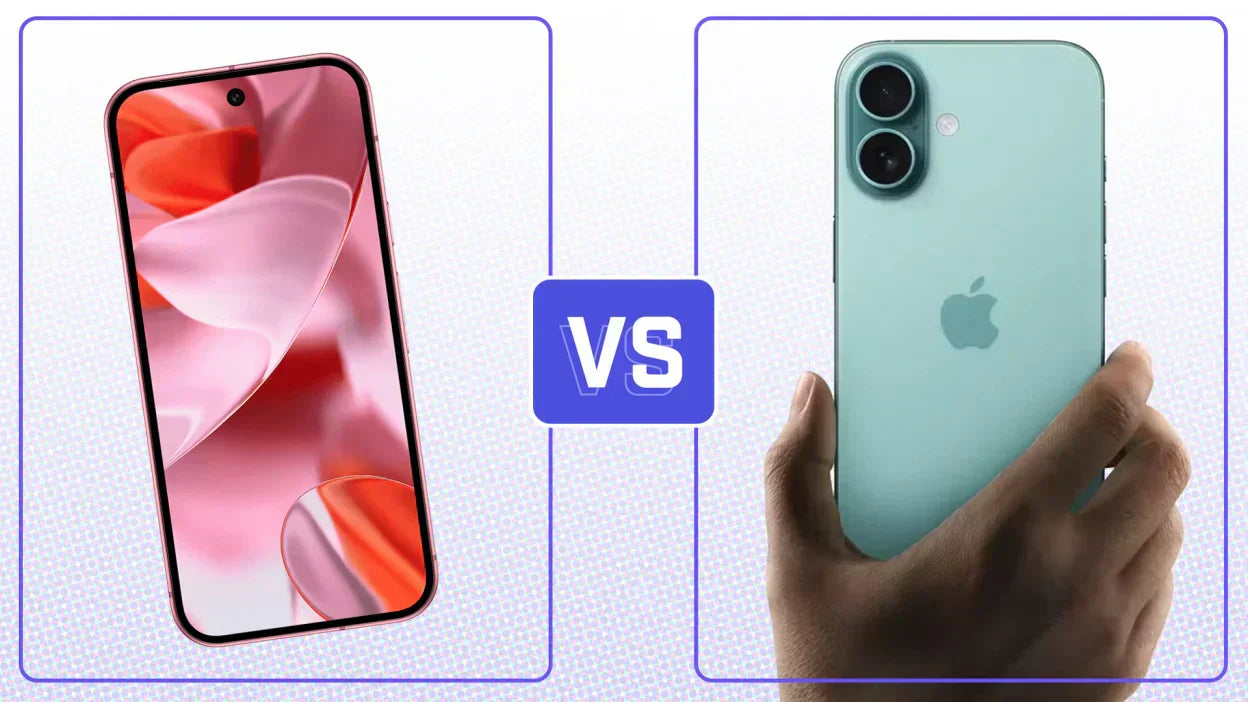
I was out having coffee with a friend a few weeks ago, one of those catch ups where phones inevitably end up on the table between us, when she pulled out her Pixel 9 and I pulled out my iPhone 16, and we both just started comparing screens like a couple of kids arguing over whose toy was better. It was silly, honestly, but it sparked a genuinely interesting conversation about how differently these two displays actually perform, and more importantly, what happens when either one gets damaged and needs fixing. That coffee shop chat is basically the reason this article exists.
If you are trying to decide between these two phones based on display quality, or you already own one and you are dealing with damage right now, I want to give you the full picture. Not just marketing language about brightness numbers, but real talk about how these screens behave day to day and what repair actually looks like when something goes wrong.
Why iPhone 16 Pro LCD Screen Replacement Comes Up So Often In This Comparison
Here is something that surprises people when they first hear it. Not every iPhone 16 model uses the same display technology throughout its lifespan of repairs and replacements. Depending on your specific device and repair provider, you might end up looking at either an OLED matched panel or, in certain replacement scenarios, an LCD alternative that some shops offer as a more budget friendly option. When people search specifically for iPhone 16 Pro LCD Screen Replacement, they are usually trying to understand this exact distinction, because the terminology gets confusing fast if nobody explains it clearly.
I remember genuinely scratching my head the first time a customer asked me about this months ago. She had gotten two different quotes, one mentioning OLED and one mentioning LCD, and she had no idea why the prices differed so much or what she would actually be losing by choosing the cheaper option. That conversation taught me how much clearer this whole topic needs to be explained, so let me do that properly here.
Also Read:
iPhone 16 LCD Screen Replacement
My Own Comparison Day
That afternoon with my friend actually turned into something bigger than just coffee talk. We ended up spending nearly an hour testing our phones side by side, watching the same video clip, adjusting brightness in a sunny window, even testing how each screen handled being viewed at an angle. It felt a bit like two kids comparing bicycles, checking who had the shinier one, except we were adults arguing about pixel density instead. Genuinely fun, and it gave me a much better feel for how these displays actually differ in daily use rather than just reading spec sheets online.
How The Displays Actually Compare
Let me break this down honestly, without the usual marketing fluff that tends to surround phone comparisons.
The iPhone 16 display handles color accuracy beautifully, especially for photo editing or watching video content, with that deep contrast Apple has been refining for years now. Where it can occasionally struggle is outdoor visibility in extremely bright direct sunlight, though it still performs reasonably well compared to older models.
The Pixel 9 display leans slightly warmer in its default color calibration, something my friend actually prefers for casual browsing and social media use. Google has clearly invested heavily in brightness performance too, and in our little sunny window test that day, her screen held up impressively well.
Neither phone wins outright here. It genuinely comes down to personal preference and what you use your phone for most, similar to how some people prefer a slightly warmer light bulb in their living room while others want that crisp cooler white tone instead.
What Happens When These Screens Get Damaged
This is really where the comparison matters most for most people reading this, because specs are nice but repair reality is what actually affects your wallet and your daily frustration level.
iPhone 16 Repair Considerations
If you are dealing with cracked or malfunctioning glass, an iPhone 16 Pro LCD Screen Replacement offers a more affordable path compared to a fully matched OLED replacement, though it does come with some tradeoffs worth understanding before you commit. LCD alternatives typically cannot replicate that same deep black level or the always on display functionality some Pro models support, so if those features matter to you daily, spending more on a properly matched panel makes sense. But if you are simply looking to get a functional, clear display back without breaking the bank, the LCD route is a genuinely reasonable middle ground that plenty of people choose happily.
At E-Tech61, we always walk customers through this choice honestly rather than pushing everyone toward the most expensive option automatically. Some people genuinely do not need or want to pay premium pricing for features they rarely use, and that is a completely valid decision once they understand what they are trading off.
Also Read:
iPhone 16 Pro Max Battery Replacement
A Small But Common Extra Repair
Something that comes up more than you would expect alongside screen repairs involves the SIM tray. If you have one of the newer color finishes, an iPhone 16 SIM Tray Purple Replacement occasionally gets requested when the tray becomes bent or stuck, usually after the same drop that damaged the screen in the first place. It is such a tiny piece of hardware, easy to forget about entirely, but try using your phone without a working SIM tray and you quickly realize how much daily function depends on that little sliding piece of metal.
Google Pixel 9 Repair Considerations
On the Pixel side, things work a bit differently. A Google Pixel 9 Original OLED LCD Screen Replacement generally sticks closer to matching the original panel specifications, since Google's display supply chain tends to be a bit more standardized across repair options compared to Apple's tiered approach between OLED and LCD alternatives. This often means slightly more predictable pricing, though genuine parts still command a premium over generic aftermarket options, the same way they do for any phone brand.
Battery and rear cover issues come up frequently too. A Google Pixel 9 Replacement Battery Back Cover request often follows the same pattern I see with iPhone repairs, where a hard drop damages the visible glass while also loosening internal battery connections or cracking the rear panel in ways that are not immediately obvious until you look closely.
Cost Comparison Between The Two Ecosystems
Generally speaking, repair costs between these two phones sit within a similar range once you account for equivalent part quality, though the flexibility with LCD options on iPhone models does give budget conscious iPhone owners a genuinely useful cheaper path that Pixel owners do not always have access to in quite the same way. I have found Pixel repairs to be slightly more consistent in pricing since there is less tiering between part types, whereas iPhone repairs can range more widely depending on which quality level you choose.
Neither approach is objectively better. It really depends on whether you value having multiple price points to choose between, or whether you prefer more predictable, standardized pricing across the board.
Making The Right Choice For Your Situation
Here is roughly how I would think through this if I were advising a friend, which honestly is exactly what happened after that coffee shop comparison session.
If display quality and premium features like always on functionality genuinely matter to your daily habits, invest in the properly matched replacement option regardless of which phone you own, since a downgrade there tends to feel noticeable and slightly disappointing every time you pick up your phone.
If you are repairing an older device you plan to replace within the next year or so anyway, a more affordable option like the LCD alternative on iPhone models makes complete financial sense, since you are optimizing for a shorter remaining lifespan rather than long term perfection.
Always ask your repair provider directly about warranty coverage on whichever option you choose, since that detail tells you a lot about how confident they actually are in the part quality behind their recommendation.
Also Read:
iPhone 16 Pro Max Earpiece Speaker
What E-Tech61 Recommends Based On Real Customer Patterns
Watching customer choices over time has taught me a lot about what actually satisfies people long term versus what just saves money in the moment. Customers who invest in properly matched displays, whether that is choosing OLED over a budget LCD alternative on their iPhone or opting for genuine parts on their Pixel, consistently report higher satisfaction months later compared to those who chased the absolute lowest price available. That does not mean budget options are always a mistake, but it does mean going in with realistic expectations about what you are trading off matters enormously.
Reflecting Back On That Coffee Shop Debate
Looking back at that slightly ridiculous afternoon comparing screens with my friend, what stuck with me most was not which phone technically won, because honestly neither of us walked away convinced the other's phone was better. What stuck with me was realizing how much people genuinely care about getting this decision right, both when buying and when repairing. These screens are the part of our phones we interact with more than literally anything else we own, glancing at them dozens or hundreds of times daily without even thinking about it consciously.
Whether you are trying to decide between an iPhone 16 and a Pixel 9 based on display performance, or you are already dealing with cracked glass and trying to figure out the smartest repair path, take the time to understand what you are actually choosing between. Ask specific questions about part quality, be honest with yourself about which features you actually use daily, and remember that the cheapest option and the smartest option are not always the same thing, though sometimes they genuinely are, depending entirely on your own situation and priorities.
Share:
Samsung Galaxy S21 Ultra Replacement Battery Guide
iPhone 16 比較 Google Pixel 9: OLED Technology