
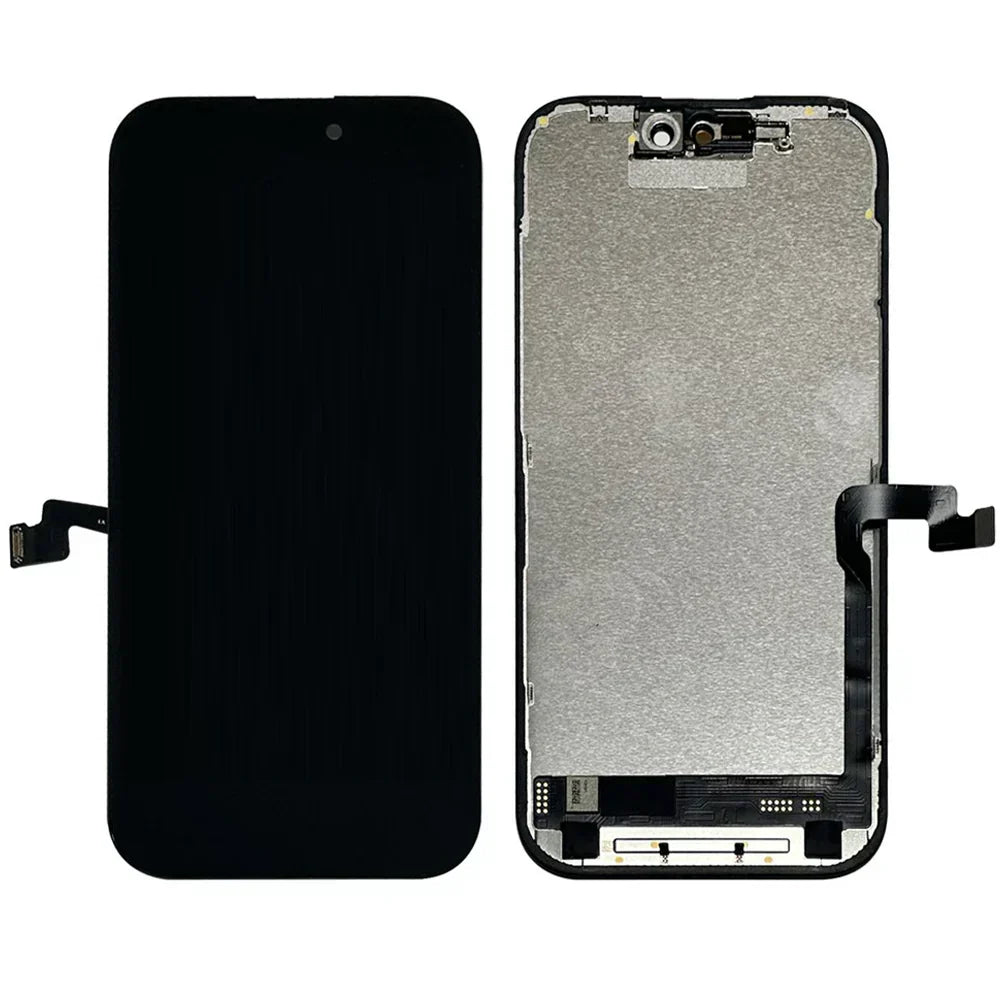
A cracked iPhone 16 Pro screen turns a flagship device into a daily source of frustration — spider-web cracks across the glass, ghost touches that register taps you never made, or a display that's gone dark in one corner. Before you book the first repair slot you find or order the cheapest part on a marketplace, it pays to understand what you're actually replacing, what a fair price looks like in the UK market right now, and how to choose a screen that holds up for years rather than weeks. This guide walks through the iPhone 16 Pro's display technology, the warning signs of a failing screen, realistic UK pricing, and what separates a genuinely reliable iPhone 16 Pro screen replacement from one that leaves you back at square one.
Is It Really an "LCD Screen"? Understanding the iPhone 16 Pro Display
OLED, Not LCD — Why the Terminology Matters
Plenty of people search for an "iPhone 16 Pro LCD screen" out of habit, but the 16 Pro doesn't use LCD technology at all. Apple fits the 16 Pro with a Super Retina XDR OLED panel, where each pixel produces its own light rather than relying on a backlight behind a layer of liquid crystal. The distinction isn't just pedantic: OLED panels deliver true blacks, sharper contrast, and better power efficiency than LCD, and a genuine OLED replacement behaves very differently from a cut-price LCD substitute fitted to save a few pounds. If a listing for an "iPhone 16 Pro LCD screen" doesn't actually specify OLED technology, that's worth questioning before you buy.
The Specs Behind the Screen
The iPhone 16 Pro carries a 6.3-inch display with a 2622 x 1206 resolution at 460 pixels per inch, protected by Apple's Ceramic Shield glass. ProMotion technology lets the refresh rate adapt up to 120Hz, which is why scrolling and gaming feel so fluid, and the panel can reach up to 2,000 nits of peak brightness outdoors. A genuine iPhone 16 Pro screen replacement needs to match these specifications closely — a panel that tops out at 60Hz or struggles in direct sunlight will be immediately noticeable, even if the price looks tempting.
Also Read:
How to Choose the Best iPhone 16 Pro Max Case in 2026
Signs Your iPhone 16 Pro Needs a Screen Replacement
Visible Damage
Cracked glass is the obvious one, and even hairline cracks rarely stay that way. Temperature changes and everyday handling cause them to spread across the panel within days or weeks, often reaching the digitizer layer underneath and affecting touch response long before the crack looks serious.
Touch and Digitizer Faults
If your screen registers taps in the wrong place, ignores touches altogether, or develops dead zones near the edges, the digitizer layer beneath the glass has likely been damaged — often from a drop that didn't visibly crack the screen at all.
Visual Abnormalities
Flickering, green or pink tinting, dark patches that won't clear, or thin lines running across the display point to internal layers separating or a connector working loose, none of which resolve on their own with a restart or software update.
iPhone 16 Pro Screen Replacement Cost UK: What You'll Actually Pay
Apple's Official Price
Apple's out-of-warranty screen service for the 16 Pro typically sits north of £300, and that's before accounting for appointment wait times or postal turnaround if your nearest store can't see you quickly. AppleCare+ brings this down to a fixed service fee, but without it, you're paying full price for a part that, ironically, is the same panel technology independent suppliers can offer for considerably less.
Independent Repair Shops
UK independent repair shops generally charge somewhere between £120 and £250 for an iPhone 16 Pro screen replacement, depending on whether they fit an OEM-pulled panel, a premium aftermarket OLED, or a budget alternative. This is usually the sweet spot for most owners — a properly fitted, warrantied repair at a fraction of Apple's price.
Buying the Part Yourself
If you're comfortable with a screwdriver, or you're supplying parts to a repair shop you already trust, sourcing the screen separately and either fitting it yourself or paying for labour only is typically the cheapest route. A quality replacement panel costs significantly less than a full-service repair, with labour-only fitting adding a modest amount on top.
Where Insurance Fits In
Before paying out of pocket, check whether your home contents insurance or a standalone gadget policy already covers accidental screen damage — many do, often with a smaller excess than Apple's full repair fee. If a claim isn't an option, or the excess outweighs the saving, sourcing a quality part yourself and choosing where it gets fitted usually works out cheapest overall.
Also Read:
How Much Is a Refurbished iPhone 12 Pro Max in the UK?
OEM, Aftermarket, or Refurbished: Choosing the Right iPhone 16 Pro OLED Screen
What "Grade" Actually Means
Replacement screens are typically sold as original (genuine Apple panels removed from donor devices), premium aftermarket (newly manufactured to match Apple's specifications), or budget aftermarket, often labelled Grade B or C. The cheaper grades cut corners somewhere — usually colour accuracy, brightness, or how convincingly the panel reproduces deep blacks — and the difference is obvious the moment you compare it side by side with the original.
Why Completeness Matters
A proper iPhone 16 Pro OLED screen replacement should arrive as a full assembly: display, digitizer, earpiece mesh, and the small brackets and adhesive needed to seal everything back into the housing. A bare panel with no supporting hardware usually means cut corners elsewhere, and missing components turn a straightforward job into a frustrating one.
Compatibility Checks Worth Making
True Tone, Face ID, and the ambient light sensor all depend on small components separate from the panel itself, and a poor-quality screen can interfere with how well these features perform after fitting, even when the glass itself looks fine. Confirming a part is built specifically for the iPhone 16 Pro — not a "universal fit" or a part meant for the standard 16 — avoids most of these headaches before they start.
DIY iPhone 16 Pro Display Repair vs Professional Fitting
What DIY Actually Involves
Fitting your own iPhone 16 Pro display repair means removing the pentalobe screws near the charging port, gently heating the edges to loosen the factory adhesive, disconnecting the battery before anything else, and carefully detaching a handful of delicate flex cables. None of it is impossible, but the cables tear easily, and the adhesive doesn't release cleanly without patience, a proper suction cup, and the right screwdrivers rather than a generic kit.
When Professional Fitting Makes More Sense
If you've never opened a smartphone before, or you simply don't have an evening to spare for a repair that should take under an hour in experienced hands, paying for fitting is the safer choice. A botched DIY attempt risks damaging the proximity sensor, the flood illuminator behind Face ID, or the flex cables themselves — none of which are cheap or simple to put right afterwards.
What to Check Before You Buy iPhone 16 Pro Screen Replacement Parts
When you're shopping for iPhone 16 Pro screen replacement parts, the screen itself is rarely the only thing that needs attention. Drops that crack the front display often damage the rear glass too, and SIM trays have a habit of going missing or bending the moment they're removed with the wrong tool. Our iPhone 16 Pro parts collection covers the wider repair, including iPhone 16 Pro glass back covers with the camera lens surround and MagSafe magnet built in, and titanium-finish SIM card trays that match the original colourway. Sourcing everything from one supplier means consistent quality control and one delivery instead of three, which matters if you're trying to get a device back together the same day.
Before adding anything to your basket, confirm the listing states the panel is built specifically for the iPhone 16 Pro — not the standard 16 or the Pro Max, since all three displays differ in size and aren't interchangeable — check whether it mentions Face ID and True Tone retention, and look for a stated warranty period. A supplier unwilling to commit to even 12 months on a display assembly is telling you something about how confident they are in their own stock.
Also Read:
How to Buy Refurbished iPhone Safely in the UK
Why UK Buyers Choose E-Tech61 for iPhone 16 Pro Parts
E-Tech61 is a UK-based supplier of mobile spare parts, operating out of Manchester rather than shipping from overseas warehouses with three-week delivery windows. Every iPhone 16 Pro component goes through inspection before it leaves the warehouse, orders placed before 4 pm on a working day are dispatched the same day, and every order carries a 30-day return policy if a part doesn't perform as expected. That matters more than it sounds: a fault discovered after a fortnight is a much smaller problem when you're dealing with a UK seller bound by UK consumer protection than when you're chasing a refund from an overseas marketplace account.
Whether you're a repair technician working through a queue of customer devices, a refurbisher prepping stock for resale, or simply fixing your own phone once, the goal is the same — parts that match Apple's original specifications closely enough that nobody can tell the difference once the job is done. Our full Apple iPhone 16 Pro parts range is built around that standard.
Looking After Your Screen After Replacement
A few habits make a freshly fitted iPhone 16 Pro display last. Fit a tempered glass protector before the phone goes back in your pocket — it's far cheaper than another repair — and pair it with a case that has raised edges, since most drops land screen-first. Clean the display with a dry or barely damp microfiber cloth; paper towels and household cleaning sprays both degrade the oleophobic coating faster than normal wear would. And keep the phone away from loose change and keys in the same pocket, since the micro-scratches they cause accumulate invisibly until the glass is weaker than it looks.
Final Thoughts
A cracked or malfunctioning screen doesn't mean your iPhone 16 Pro is finished — it means it's due for a good repair. Whether you go the DIY route, hand the job to a local technician, or have a repair shop fit a part you've sourced yourself, the outcome depends almost entirely on the quality of the screen going in. Match the OLED technology, confirm the assembly is complete, and buy from a supplier that stands behind what they sell, and an iPhone 16 Pro screen replacement should be the last screen-related decision you need to make for this device. Browse our full range of iPhone 16 Pro parts, including glass back covers and SIM trays, to handle the rest of the repair in one order.
Share:
iPhone 14 Screen Replacement: The Complete UK Repair Guide
Buy iPhone 16 LCD Screen: Premium Quality Replacement Displays for UK