
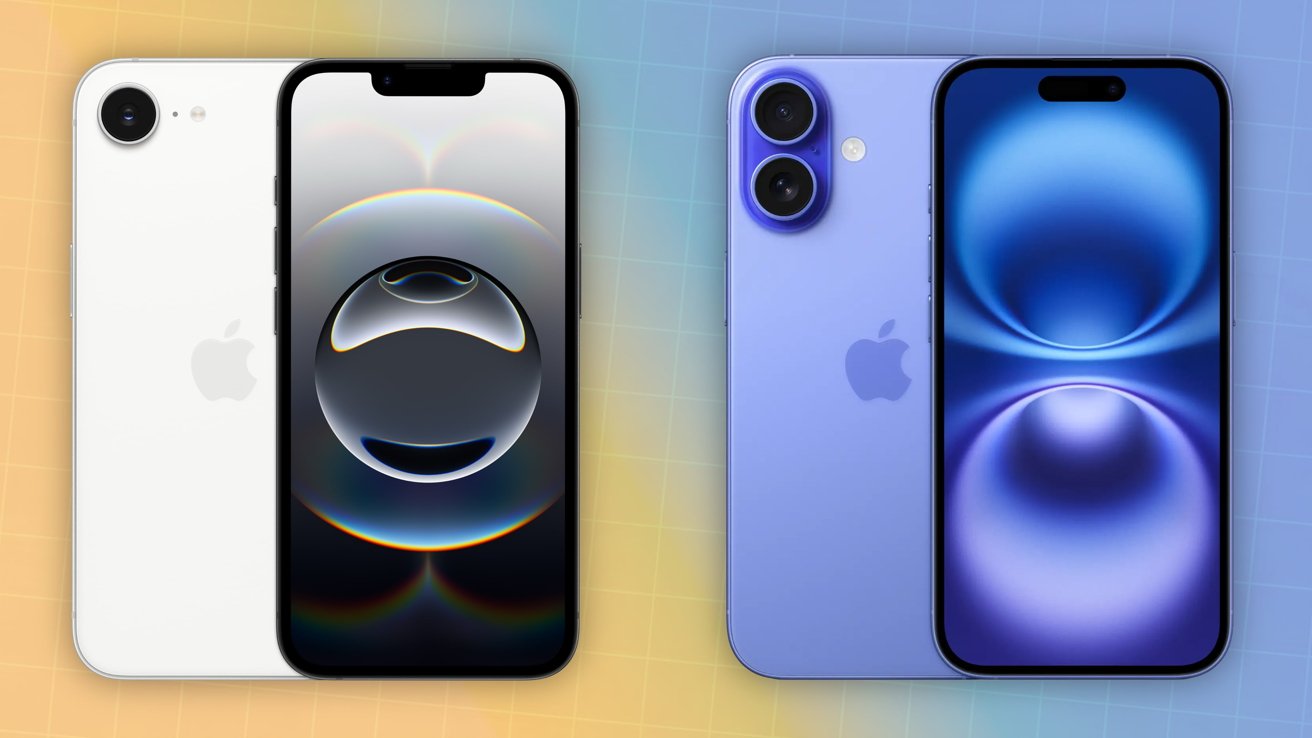
I remember sitting in my car outside the Apple Store the day I picked up my iPhone 16e, still in the bag on the passenger seat, genuinely curious whether this cheaper option would feel like a downgrade compared to the flagship phones I usually review. The moment I opened it and started running my usual little benchmarking routine, editing a video clip, opening a dozen apps back to back, playing a graphics heavy game, I realized something surprising. The iPhone 16e A18 Chip was not messing around at all. It handled everything I threw at it with a kind of quiet confidence that honestly caught me off guard.
That afternoon in the car turned into weeks of testing, comparing notes, and eventually writing this article because I know a lot of people are asking the exact question I had that day. Just how fast is this chip really, and does it hold up against phones that cost significantly more?
Breaking Down What The iPhone 16e A18 Chip Actually Delivers
Let us start with the fundamentals. The iPhone 16e A18 Chip is built on the same core architecture family that powers some of Apple's more expensive devices, just tuned slightly differently for this particular model. In practical terms, that means you are getting genuinely modern performance, fast app launches, smooth multitasking, and enough graphical horsepower to handle demanding games without the stuttering you might expect from a phone marketed as the more affordable option.
When people search specifically for iPhone 16e A18 Chip speed comparisons, they usually want to know one thing above everything else. Will this phone feel slow compared to something pricier down the line? Based on my own weeks of daily use, the honest answer is no, not in any way that affects real everyday tasks. Where you might notice a gap is in sustained heavy workloads, like extended gaming sessions or intensive video exports, where the more expensive Pro models pull slightly ahead thanks to additional cooling and marginally higher clock ceilings. But for the vast majority of people scrolling, texting, browsing, and casually gaming, this chip feels genuinely quick.
My Actual Testing Process
I am not the type to just trust marketing claims, so I ran my own informal tests over about three weeks. I timed app launches across a dozen common apps, compared multitasking smoothness switching rapidly between browser tabs and messaging apps, and pushed a couple of demanding games to see how the phone handled thermal load during longer sessions. Nothing scientific in a lab sense, just real world usage the way an actual person would experience this phone day to day.
What stood out most was how consistently responsive everything felt, even after thirty minutes of gaming when the phone had warmed up noticeably in my hand. There was a slight dip in frame rate during that stretch, sure, but nothing that made the experience feel broken or frustrating. Compare that to an older phone I still keep around for testing purposes, one that practically grinds to a halt after just ten minutes of the same game, and the difference becomes obvious pretty quickly.
How This Compares To Previous Generations
If you have used an older iPhone, even something just a couple generations back, stepping up to the iPhone 16e A18 Chip feels like swapping a decent bicycle for one with a proper gear system installed. Everything still works the same basic way, you are still pedaling, still steering, but suddenly hills that used to feel exhausting barely register as effort anymore. That is roughly how this chip feels compared to what many people are currently carrying around in their pockets.
Battery efficiency improved alongside raw speed too, which honestly surprised me since faster chips do not always mean better battery life. I found myself ending most days with noticeably more charge remaining compared to my older test device running similar tasks, which tells me Apple tuned this chip thoughtfully rather than just chasing benchmark numbers for marketing purposes.
Real World Performance Versus Benchmark Numbers
I want to be honest about something here, because I think it gets glossed over too often in tech coverage. Benchmark scores tell you something useful, sure, but they rarely capture how a phone actually feels during daily use. I have tested phones with impressive benchmark numbers that somehow still felt sluggish opening the camera app quickly, and phones with more modest scores that felt snappier in practice due to smart software optimization.
The iPhone 16e A18 Chip strikes a genuinely good balance here. Numbers aside, what matters is that the phone opens what you need quickly, handles app switching without visible lag, and does not noticeably slow down after a few hours of mixed use the way some budget friendly devices tend to. That consistency, more than any single benchmark figure, is what actually shapes how people feel about a phone's speed over weeks and months of ownership.
Keeping Your Phone Running At Its Best
Here is something that connects directly to performance that people rarely think about. A phone's actual speed in daily life depends heavily on more than just the chip itself. Physical issues like charging problems or display damage can genuinely make a fast phone feel sluggish or frustrating, even when the underlying processor is perfectly capable.
Charging Issues Can Mask True Performance
If your phone is constantly running low on battery because of charging inconsistencies, you will naturally push it into low power mode more often, which throttles performance to preserve whatever charge remains. An iPhone 16e Charging Port Flex Cable issue can cause exactly this kind of frustrating cycle, where a perfectly capable chip feels underpowered simply because the phone is perpetually scraping by on limited battery. At E-Tech61, we see this constantly, people assuming their phone has slowed down when really the issue traces back to inconsistent charging rather than the processor itself.
Screen Damage Affects The Experience Too
Speed is not just about how fast an app opens. It is about the entire experience feeling smooth and responsive, and a damaged display genuinely undermines that even on the fastest chip available. If you are dealing with display issues on a larger model, an Apple iPhone 16 Plus LCD Screen Replacement restores that responsive touch feel that makes fast performance actually enjoyable to use day to day. A cracked or malfunctioning screen with delayed touch response can make even the quickest chip feel clumsy and frustrating.
Back Glass Damage And Overall Device Health
While it does not directly affect processing speed, cosmetic damage like a cracked rear panel often signals a drop significant enough to have jostled internal components too. If you own a Pro model and notice cracks along the back, an iPhone 16 Pro Back Glass Replacement is worth pairing with a general internal check, just to confirm nothing affecting performance got knocked loose during that same impact.
Protecting Your Investment While Enjoying That Speed
Since we are talking about getting the most out of a genuinely fast chip, it makes sense to talk about protecting the device housing that speed. I switched to using a Clear Case With Card Slot Holder For iPhone a while back, mostly out of convenience since I hate carrying a separate wallet, but it turned out to be a smart protective choice too. The added bulk around the edges helps absorb impact during drops, and keeping a card tucked in the back means I am slightly more careful about how I toss my phone down, oddly enough.
Protecting your phone properly means you get to actually enjoy that iPhone 16e A18 Chip speed for years rather than dealing with a cracked screen or damaged port undermining the experience within the first few months of ownership.
Should You Choose This Phone Based On Speed Alone
If raw performance is your main deciding factor, the iPhone 16e A18 Chip genuinely holds its own against phones costing considerably more. You are not sacrificing meaningful daily performance by choosing this option, which honestly makes it one of the smarter value decisions in Apple's current lineup. Where you might want to consider stepping up to a Pro model is if you are doing consistently demanding work, heavy video editing, intensive gaming for extended periods, or professional photography workflows that benefit from the additional thermal headroom those pricier chips provide.
For the overwhelming majority of everyday users though, texting, browsing, casual gaming, social media, streaming, this chip delivers speed that genuinely exceeds what the price point would suggest. I have recommended this phone to several friends specifically because of this balance, and none of them have come back complaining about sluggish performance.
My Honest Take After Weeks Of Use
Sitting here now, weeks past that afternoon in my car, I can say confidently that the iPhone 16e A18 Chip changed my expectations for what a more affordable iPhone option could deliver. It does not feel like a compromise. It feels like genuinely smart engineering, offering real speed without demanding the premium price tag attached to Apple's top tier devices. That balance is honestly rare in the tech world, where cheaper usually means noticeably worse in some meaningful way.
If you are on the fence about this phone specifically because of performance concerns, I would encourage you to stop worrying about that particular factor. Focus instead on things like camera preferences, screen size, and overall design, because speed is genuinely one area where this phone quietly overdelivers.
Final Thoughts
Testing the iPhone 16e A18 Chip taught me something I keep relearning throughout my years covering phones. Price does not always predict performance the way people assume it will. This chip delivers genuinely impressive speed, handles daily tasks smoothly, and holds up reasonably well even under demanding use, all while sitting in a more accessible price bracket than Apple's flagship lineup. Pair that solid performance with proper care, protecting your charging port, keeping your screen in good condition, and using a case that actually protects the device, and you end up with a phone that feels fast and reliable for years rather than just during that initial excitement of unboxing it for the first time.
Share:
iPhone 16e Satellite Features Fully Explained In Detail
iPhone 16e LCD Screen Replacement Costs Fully Explained