
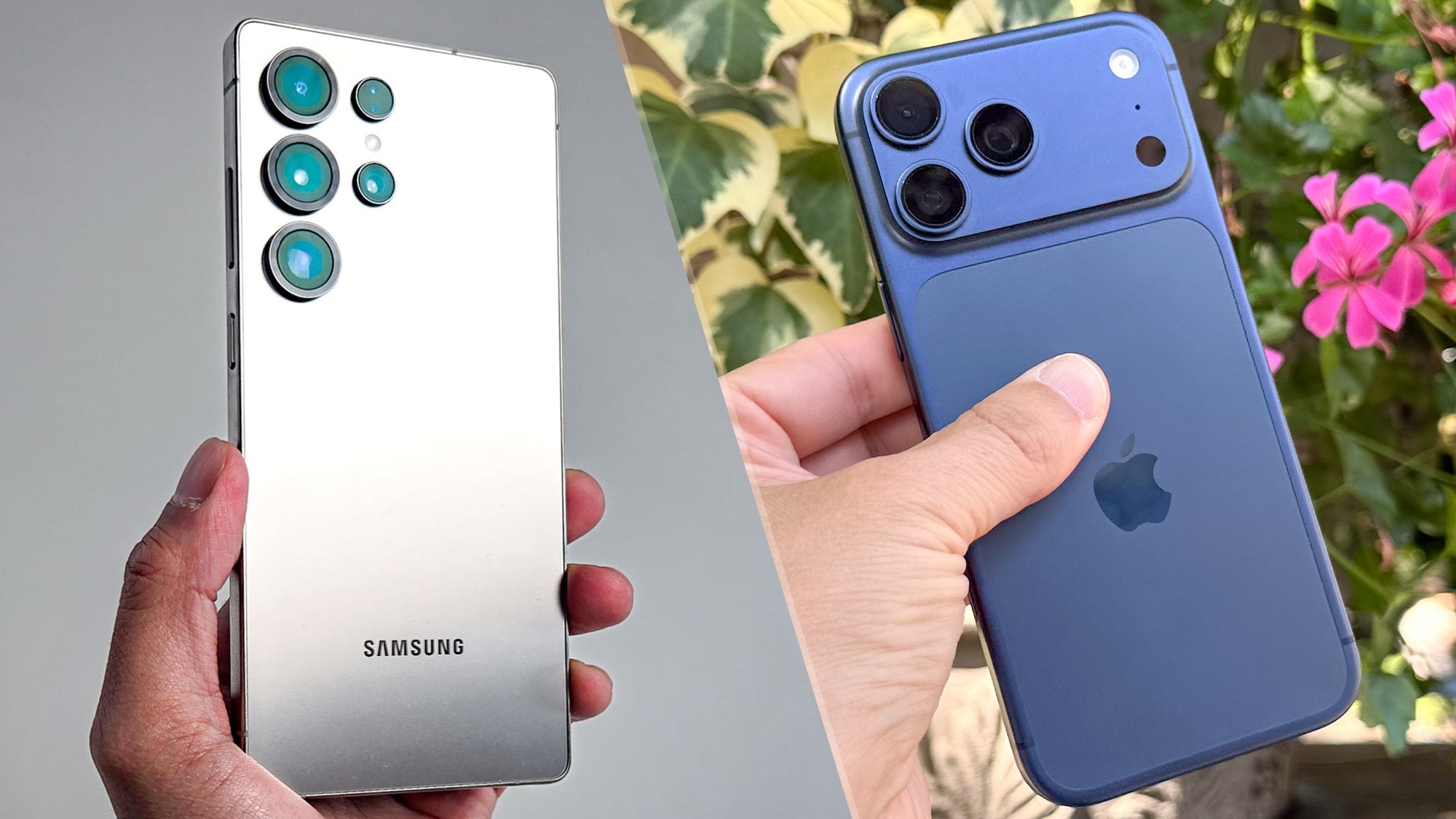
I was sitting in a coffee shop a few weeks ago, phone face down on the table like always, when a friend slid her cracked Samsung across to me and asked the question I get more than almost any other these days. She wanted to know if fixing her screen was even worth it compared to what her cousin just paid for an iPhone 17 Screen Replacement OLED job. That conversation is basically the reason I am writing this article. Two phones, two completely different display technologies, and two very different repair stories that people mix up constantly.
If you own an iPhone 17 or you are weighing it against something in the Samsung S26 lineup, you have probably already realized both phones use OLED panels now. That part is not really up for debate anymore, Samsung basically pioneered mainstream OLED on phones and Apple caught up years ago. What actually matters, and what almost nobody explains clearly, is how different these repairs feel once something goes wrong. Let me walk you through it the way I wish someone had walked me through it the first time my own screen cracked.
Why iPhone 17 Screen Replacement OLED Repairs Work Differently Than Samsung
Here is the thing that surprised me the most when I started comparing these two ecosystems closely. Apple ties the display on the iPhone 17 tightly into the phone's internal calibration system. Swap the screen with anything less than a properly matched panel and you will notice it almost immediately, usually through True Tone acting strange or brightness behaving inconsistently. Samsung, on the other hand, tends to treat its OLED panels a bit more like standalone hardware components, which honestly makes some repairs feel more straightforward, though certainly not always cheaper.
When people search specifically for iPhone 17 Screen Replacement OLED information, they usually already sense this complexity even if they cannot articulate it. They want to know if the repair will actually feel like the original screen once it is done, or if they will notice some subtle downgrade every time they pick up the phone. I get it completely, because I have lived through both outcomes personally.
A Quick Story About My Own Screen Disaster
Two years ago I dropped my phone getting out of a rideshare, one of those moments where you reach for it and somehow make everything worse trying to catch it. The screen shattered in that recognizable spider pattern, and I remember standing on the sidewalk just staring at it, already calculating in my head how much this was going to cost me. That day sent me down a rabbit hole of comparing repair options, reading reviews until midnight, and eventually learning way more about display technology than I ever expected to know. Funny how a bad day turns into genuine expertise sometimes.
Comparing The Repair Experience Side By Side
Let us break this down properly, because vague comparisons do nobody any good.
Apple's approach with the iPhone 17 leans heavily on software pairing between the screen and the logic board. This means an iPhone 17 Pro OLED Screen Replacement done with a low quality part can trigger visible warnings or subtle performance issues, even if the physical screen itself looks perfectly fine sitting in the box.
Samsung's Galaxy S26 lineup, while also using advanced OLED technology, generally allows a bit more flexibility with third party parts without triggering aggressive software restrictions. That said, flexibility does not automatically mean better outcomes. I have seen plenty of Samsung repairs go sideways too, usually from rushed installation rather than the part itself.
Cost wise, both brands sit in a similar premium bracket once you are talking about their flagship tier devices. Neither one is what I would call a budget repair, and anyone promising a rock bottom price on either should raise your eyebrows a little.
What About Older Samsung Devices People Still Use
Something I run into constantly at E-Tech61 is customers holding onto older Samsung devices alongside their newer phones, usually as a backup or a device for a kid in the house. A Samsung S9 Plus OLED Screen Replacement, for example, still comes up regularly even though that device is well past its original release window. People get attached to devices, and honestly, if the rest of the hardware still works fine, a screen repair often makes more sense than buying something new just for a secondary device.
Tablets come up a lot too. A Samsung Galaxy Tab S6 Lite Screen repair is one of the more common requests we see from parents whose kids use tablets for school, and those screens take a beating in ways phone screens rarely do, mostly from being dropped by small hands or sat on accidentally. I always tell people the same thing here. Just because a device feels older does not mean the repair is not worth it, especially when the alternative is spending significantly more on a full replacement device.
Specs Alone Do Not Tell The Whole Story
If you search comparisons between the iPhone 17 and Samsung S26, you will find plenty of spec sheets stacked side by side, brightness numbers, refresh rates, resolution figures. All of that matters, sure, but specs on paper rarely tell you what actually happens when the screen cracks and you need it fixed quickly. I have talked to people who chose their phone almost entirely based on camera specs, only to realize months later that repair accessibility and part availability mattered way more to their daily life than they expected.
Think about it like choosing a car based purely on horsepower without ever considering how easy or expensive it is to find a mechanic who actually knows that model well. The performance numbers matter, but so does the entire ownership experience around them.
How To Decide Which Repair Path Makes Sense For You
Here is roughly how I walk friends through this decision when they come to me confused.
First, figure out how attached you are to color accuracy and brightness consistency. If you are someone who edits photos or just genuinely notices when a screen looks slightly off, spending more on a properly matched panel matters a lot, regardless of which brand you own.
Second, think honestly about how long you plan to keep the device. If you are trading up in a year anyway, a mid tier repair might make more financial sense than the absolute premium option.
Third, and this one gets overlooked constantly, ask about warranty coverage specifically for the display component, not just general repair warranty language. A shop that stands firmly behind their OLED work, whether it is an iPhone 17 Screen Replacement OLED job or a Samsung equivalent, tells you a lot about how confident they actually are in their parts.
Why The Repair Shop You Choose Matters As Much As The Phone
I genuinely believe this is the most underrated factor in this whole comparison. People spend hours researching which phone to buy, comparing every spec imaginable, then rush the repair decision later without nearly the same care. That backwards approach is exactly what leads to those disappointing outcomes people complain about online, the flickering screens, the weird color casts, the touch response that never quite feels right again.
At E-Tech61, this is honestly the conversation we have with almost every customer who walks in comparing their options. We do not just ask which phone you own, we ask what you actually use it for, how rough you tend to be with devices, and what budget feels realistic for you. Those answers shape the recommendation way more than a generic price list ever could.
Personal Reflection On Choosing Between These Two Worlds
Looking back at my own journey through cracked screens, mismatched repairs, and eventually learning enough to help others avoid my mistakes, I keep coming back to the same conclusion. Neither Apple nor Samsung makes a device that is immune to this problem, and neither one makes the repair process effortless either. What actually determines whether you end up happy with your decision is patience, honest research, and choosing people who explain things clearly instead of just quoting a number and moving on.
Whether you are staring at a cracked iPhone 17 wondering about proper OLED replacement, or you are weighing that same decision against a Samsung S26, or even dealing with an older device like a Tab S6 Lite that your family still relies on daily, the underlying advice stays the same. Understand what you are actually paying for, ask specific questions about part quality, and treat the repair decision with the same seriousness you gave the original purchase.
That sidewalk moment with my shattered screen taught me more about phone repair than years of just casually owning devices ever did. I hope sharing it saves you a little bit of that same frustration, and helps you walk into your next repair decision feeling informed instead of just hoping for the best.
Share:
iPhone 17 Pro OLED Screen Replacement Guide
iPhone 17 Screen Replacement OLED Complete Buying Guide