
I was standing in line at a coffee shop last month when the guy in front of me pulled out his phone and I noticed something odd. His screen had this faint greenish tint creeping in from one corner, almost like a bruise spreading slowly across the display. I asked him about it out of pure curiosity, and he just shrugged and said his iPhone 17 had taken a tumble a few weeks earlier. That little moment stuck with me, because it perfectly captures why so many people end up searching for iPhone 17 Screen Replacement OLED information at two in the morning, phone in one hand, cracked glass catching the lamp light in a way that makes the damage look worse than it actually is. If that sounds familiar, you are in the right place, and I want to walk you through everything I have learned from years of watching these repairs up close.
Let us start with something people often overlook. Not all OLED replacements are created equal, and understanding that difference will save you money, frustration, and probably a few gray hairs.
Understanding iPhone 17 Screen Replacement OLED Quality Tiers
When Apple moved deeper into OLED technology across the iPhone 17 lineup, they also raised the bar for what counts as an acceptable repair part. The panels now handle brightness, color accuracy, and touch sensitivity in ways that are tightly woven into the phone's internal software calibration. This means a cheap knockoff screen will not just look slightly off, it can genuinely mess with how your phone functions day to day.
I learned this the hard way years ago with an older device, long before I understood the industry as well as I do now. I went with the cheapest replacement option I could find, and within a week the touch response started acting possessed, registering taps I never made and ignoring ones I clearly did. It felt like trying to have a conversation with someone who only half listens. That experience shaped how I think about repairs today, and it is exactly why I always tell people to ask questions before handing over their phone.
Also Read:
iPhone 17 Screen Replacement OLED
What Makes A Good OLED Panel Worth The Price
A quality panel matches the original color gamut closely, holds consistent brightness across the entire screen rather than dimming unevenly at the edges, and responds to touch without any lag or ghost taps. Cheaper panels often cut corners in exactly these areas because they are the hardest and most expensive parts to get right. Think of it like buying running shoes. A cheap pair might look nearly identical on the shelf, but your feet will know the difference within the first mile.
Comparing OLED Repairs Across Different Devices
Something interesting happens once you start looking at screen repairs across brands and models rather than just focusing on one phone. The technology shares a lot of similarities, but the repair process and part sourcing can vary quite a bit.
Take a Samsung S9 Plus OLED Screen Replacement as an example. Even though that phone is several generations old at this point, the demand for quality replacement panels never really disappeared, because so many people held onto that device far longer than Samsung probably expected. The panel technology from that era laid a lot of the groundwork for what we now expect from flagship displays, including the iPhone 17 generation. It is a bit like looking at an old family recipe and realizing the current version everyone loves still uses the same base technique, just refined over time.
On the older end of the spectrum, an iPhone 6s white LCD Replacement is a completely different animal compared to modern OLED work, and honestly, it is almost refreshing in its simplicity. LCD panels do not require the same delicate handling as OLED, since there is no organic layer to worry about damaging during installation. I actually find these repairs a little nostalgic to watch, like flipping through an old photo album and remembering how far display technology has come in less than a decade.
And then there are tablets, which people often forget need just as much care. A Samsung Galaxy Tab S6 Lite Screen replacement involves a larger surface area, which sounds like it would be more complicated, but in some ways it is actually more forgiving during installation because there is more room to work with the adhesive and connectors without everything feeling cramped.
How iPhone 17 Display Technology Stacks Up Against Competitors
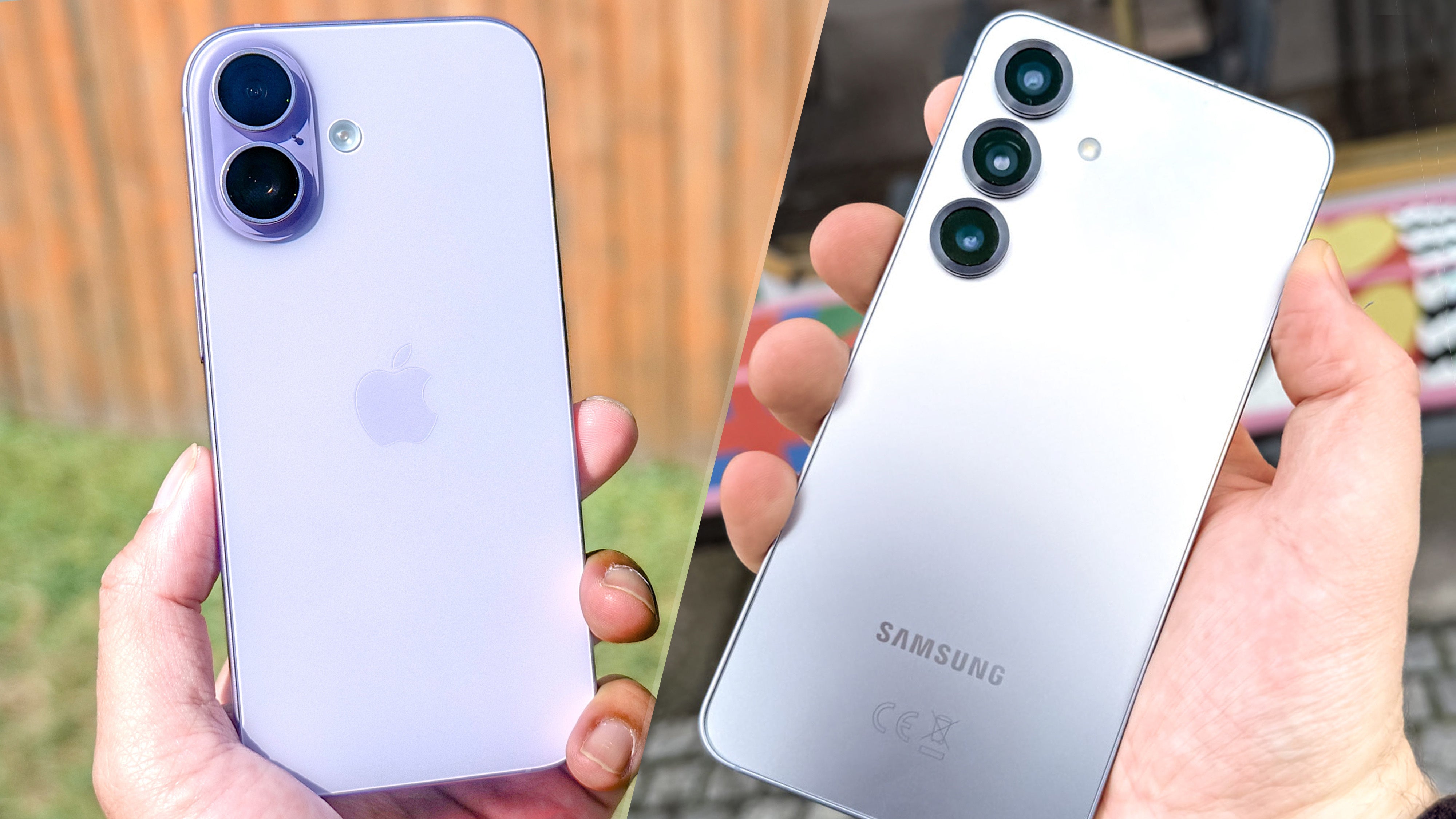
People often come into this topic wanting a direct comparison, something like iPhone 17 versus a flagship Samsung display, and I get why. Choosing a phone, or choosing how to repair one, often comes down to trusting the screen technology behind it. Apple's OLED implementation on the iPhone 17 lineup leans heavily into color accuracy and consistent brightness even in direct sunlight, something I noticed clearly during a hiking trip last summer when I could actually read text messages without shielding the screen with my hand like I used to on older phones.
Samsung, meanwhile, has spent years refining its own OLED panels, often pushing punchier colors and slightly higher peak brightness in certain models. Neither approach is objectively better, it really comes down to personal preference, similar to choosing between a movie theater with warmer lighting versus one with a crisp, almost clinical brightness. Some people love the punch, others prefer the more natural tone.
What this comparison really teaches us, though, is that OLED technology across brands has matured to the point where repair quality matters just as much as the original manufacturing. A poorly done replacement can make even the best original display technology feel disappointing.
Also Read:
Samsung Galaxy Tab S6 Lite Screen
The Real Cost Of Getting It Wrong
I want to share a slightly embarrassing story here, because I think it illustrates the stakes better than any generic warning could. A friend of mine, eager to save a bit of cash, went with a bargain repair shop for his cracked screen. Two weeks later, his Face ID stopped working entirely, and the phone started draining battery at an alarming rate. Turns out the technician had disturbed a connector near the display during installation, something that never should have happened with proper training and tools. He ended up paying nearly double the original repair cost just to have everything fixed properly the second time around.
This is exactly the kind of situation E-Tech61 tries to help people avoid. When you are dealing with something as integrated as an iPhone 17 Pro OLED Screen Replacement, the margin for error shrinks significantly compared to older, simpler devices. Pro models pack additional sensors and tighter tolerances around the display assembly, which means the technician's experience level genuinely changes the outcome, not just the price tag.
Questions Worth Asking Before Any Repair
Over the years I have developed a mental checklist that I run through before trusting anyone with a screen repair, and I think it applies whether you are dealing with an iPhone or something like a Samsung device.
Ask what grade of panel they use and whether it is OEM sourced or a generic aftermarket alternative.
Ask about calibration, since a good shop will test brightness uniformity and color accuracy before handing the phone back.
Ask how they handle sensitive components like Face ID hardware or fingerprint sensors during the process.
Ask about warranty length, because a confident repair shop will stand behind their work for a reasonable stretch of time, not just a few days.
I know this can feel like overkill for something as routine as a screen swap, but trust me, spending five extra minutes asking questions has saved me from repeat visits more times than I can count.
Life After The Repair
Once your screen is replaced, whether it is an iPhone 17 or an older device getting new life through something like an iPhone 6s white LCD Replacement, a few habits genuinely extend the lifespan of the work. Applying a proper tempered glass layer immediately protects the new panel from the very first scratch. Choosing a case with slightly raised edges around the screen reduces the odds of direct impact during a drop. And honestly, just being a little more mindful about where you set your phone down makes a bigger difference than most people expect.
I still catch myself tossing my phone onto the couch out of habit, and every single time I do it, I think back to that cracked screen years ago and wince a little. Old habits really do take time to unlearn.
Final Thoughts
Comparing display technology across brands, or figuring out the right repair path for your specific device, ultimately comes down to understanding what you are actually paying for. Whether you are researching iPhone 17 Screen Replacement OLED options, dealing with an older device that still holds sentimental value, or just trying to figure out why your screen looks a little off after a drop, the answer almost always circles back to quality parts and experienced hands doing the work.
Screens are the part of our phones we interact with more than anything else we own, probably more than we interact with most people in a given day if we are being honest. That constant interaction deserves a repair that respects it. Take the time to ask questions, compare your options, and choose a provider who explains the process rather than just quoting a number and rushing you out the door
Share:
iPhone 17 Screen Replacement OLED Vs Samsung Galaxy S26
iPhone 6S Replacement Earpiece Speaker Repair Cost 2026