
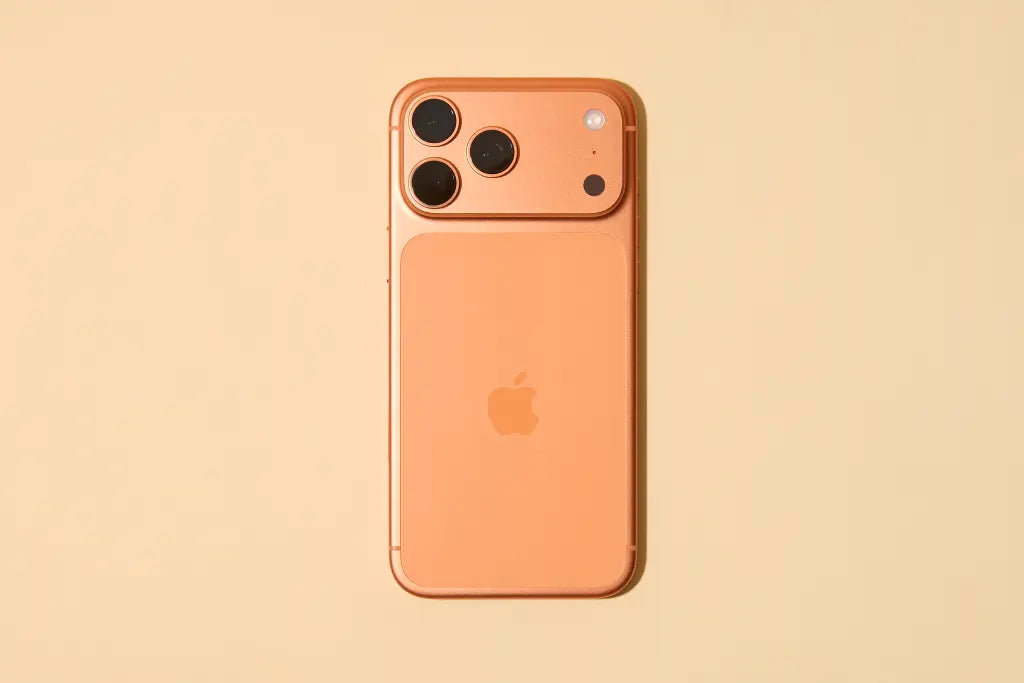
There is a conversation I have had at least a dozen times in the past few months. Someone holds up their iPhone 16 and asks me directly whether they should upgrade to the iPhone 17. My honest answer surprises most of them. Because the truth about iPhone 17 vs iPhone 16 is more nuanced than either the Apple marketing team or the cynical tech commentators want you to believe. And after spending considerable time with both devices, comparing real world performance rather than specification sheets, I have a clear picture worth sharing.
This article walks through every meaningful difference between these two generations. Design, display, chip performance, camera capabilities, repair considerations including iPhone 17 Screen Replacement OLED and iPhone 17 Charging Port details, pricing across the range including iphone 17 pro max price, and ultimately whether the upgrade makes genuine sense for your specific situation.
iPhone 17 vs iPhone 16: The Design Story
Let me start with something that surprised me when I first picked up the iPhone 17.
It feels different in the hand in a way that photographs do not communicate. Apple moved away from the aluminium and glass sandwich formula that defined the standard iPhone lineup for years. The iPhone 17 introduces an aluminium back panel replacing the glass rear of the iPhone 16. This sounds like a downgrade written on paper. In practice it feels like a step forward.
The aluminium rear runs cooler during demanding tasks. It resists fingerprints more effectively than the glass back of the iPhone 16. It contributes to a slightly different weight distribution that somehow makes the device feel more intentional in the hand.
The iPhone 16 rear glass is not bad. It is genuinely good. But after spending time with the iPhone 17, the glass back feels like the older approach it is.
Colour options across both generations reflect Apple's typically restrained palette. Deep natural tones. Nothing garish. Both devices look professional in any environment.
The action button continues on the iPhone 17, refining the programmable hardware shortcut that iPhone 16 introduced to the standard lineup. Camera control, accessibility shortcuts, translation tools, third party app triggers. Once you build habits around a programmable hardware button, removing it from your workflow feels like losing a tool you did not know you depended on.
Also Read:
Apple iPhone 15 Plus Back Glass Replacement
Display Comparison: What Actually Changed
Both the iPhone 17 and iPhone 16 feature OLED displays with excellent brightness, colour accuracy, and contrast performance. The fundamental display technology is shared across generations.
The iPhone 17 introduces ProMotion adaptive refresh rate to the standard model for the first time. This is significant. iPhone 16 standard model runs at a fixed 60Hz refresh rate. iPhone 17 adapts dynamically between 1Hz and 120Hz depending on content and interaction.
If you have never used a 120Hz display, describing the difference feels almost impossible. It is like trying to explain colour to someone who has only seen black and white. Scrolling feels physically different. Animations resolve with clarity that 60Hz cannot reproduce. Once you experience ProMotion consistently, returning to 60Hz feels genuinely uncomfortable.
For iPhone 16 Pro and Pro Max users already accustomed to ProMotion, the iPhone 17 standard model finally closes this gap between standard and Pro display experiences.
Peak brightness has improved on the iPhone 17. Outdoor visibility in direct sunlight has always been an area where iPhone displays compete strongly. The iPhone 17 pushes this further, making screen content readable in conditions where the iPhone 16 requires shade or manual brightness adjustment.
The A19 Chip vs A18: Performance That Matters
The iPhone 17 runs the A19 chip. The iPhone 16 runs the A18. Both are exceptionally capable processors that exceed the demands of current iOS applications and typical user workloads.
So does the chip difference actually matter to real users doing real things?
Yes. But perhaps not in the ways benchmark numbers suggest.
Day to day application performance across social media, messaging, web browsing, and streaming is effectively identical between A18 and A19. Both chips handle these tasks with headroom to spare.
The difference emerges in three specific areas. Computational photography processing is faster and more sophisticated on the A19, contributing directly to improved camera output rather than just faster capture. On device machine learning tasks that power Siri intelligence, predictive features, and real time language processing run meaningfully faster. And gaming performance at maximum graphical settings reveals the A19's headroom that the A18 does not quite match.
The more important chip consideration is future relevance. Buying an iPhone 17 today means the A19 will remain capable under iOS updates and increasingly demanding applications for longer than the A18 in your iPhone 16. If you keep phones for three or four years, this matters considerably.
iPhone 17 Camera vs iPhone 16 Camera
Photography is where this comparison gets genuinely interesting and where the iPhone 17 makes its strongest case for upgrading.
I remember the first time I shot the same scene on both devices side by side in the same lighting conditions. The iPhone 17 output had a quality that was immediately visible without pixel peeping or technical analysis. Shadow detail. Highlight retention. Natural colour rendering. The kind of photographic truth that makes you trust what you are seeing rather than wondering what the processing did to it.
The main sensor on the iPhone 17 captures more light and processes it with greater sophistication than the iPhone 16 sensor. Low light photography shows this most dramatically. Evening shots, indoor scenes without artificial lighting, golden hour captures at the edge of usable light. The iPhone 17 handles these situations with confidence that the iPhone 16 approaches but does not quite match.
Portrait mode improvements benefit from both sensor advances and A19 processing capability. Subject separation is more accurate. Edge detection handles complex subjects like hair and fur with greater precision. Background rendering looks more genuinely optically blurred rather than computationally simulated.
Video capabilities have advanced meaningfully. Log format recording for professional post production workflows is now accessible on the standard iPhone 17. This was previously a Pro model exclusive feature. Independent creators who shoot on iPhone and grade footage professionally gain a significant capability without stepping up to iphone 17 pro pricing.
Also Read:
iPhone 17 Pro SIM Card Tray
iPhone 17 Pro and Pro Max: Where the Real Power Lives
If the standard iPhone 17 represents a meaningful step forward from iPhone 16, the iphone 17 pro and apple iphone 17 pro max represent a different category of device entirely.
The iphone 17 pro introduces the A19 Pro chip, a more sophisticated version of the A19 with additional processing cores dedicated to professional photography and video tasks. The camera system on the Pro models incorporates a larger main sensor, extended telephoto reach, and optical zoom capabilities that the standard models cannot approach.
The apple iphone 17 pro max extends this further with a physically larger chassis accommodating a bigger battery, larger display, and the same Pro camera system in a form factor optimised for maximum performance over compactness.
The iphone 17 pro max price reflects this positioning. Premium hardware at premium pricing. Apple offers no apologies for the cost and the market continues validating the value proposition through consistent strong sales. Whether that value makes sense for your specific usage depends entirely on how you actually use your phone.
For photographers, videographers, and power users who push their devices daily, the Pro and Pro Max justify their pricing through genuine capability differences. For users whose phone time centres on social media, messaging, and casual photography, the standard iPhone 17 delivers an excellent experience at meaningfully lower cost.
iPhone 17 Screen Replacement OLED: Repair Considerations
Accidents happen to expensive devices. Understanding repair options before something goes wrong is significantly less stressful than researching them after.
iPhone 17 Screen Replacement OLED involves removing and replacing the display assembly. The OLED panel delivers the visual quality that makes the iPhone 17 display impressive. When damage occurs, replacement components matching original panel specifications are essential for maintaining that quality.
Generic or low specification replacement screens introduce visible colour shift, reduced brightness output, and touch response degradation that makes a repaired device feel worse than the original experience. Quality iPhone 17 Screen Replacement OLED components reproduce the original display characteristics accurately.
E-Tech61 stocks replacement parts for iPhone 17 models including display assemblies and other components meeting original specification requirements. For UK buyers needing repair parts they can trust, having a reliable domestic supplier matters for both component quality and practical accessibility.
DIY screen replacement on iPhone 17 is achievable for technically confident individuals with appropriate tools and careful technique. Screen separation requires steady hands and patience. Rushing causes cable damage that turns a manageable repair into a significantly more expensive problem. Professional installation is the safer choice for anyone without prior experience.
iPhone 17 Charging Port: What You Need to Know
The iPhone 17 Charging Port continues Apple's USB-C implementation introduced with the iPhone 15 generation. Universal charging compatibility across devices, faster data transfer speeds, and broader accessory ecosystem support all benefit from the USB-C standard.
Common iPhone 17 Charging Port issues follow familiar patterns. Accumulated debris in the port prevents secure cable connection. Gentle cleaning with a non-metallic tool resolves many apparent port failures without any component replacement required. Compressed air, used carefully, dislodges surface debris effectively.
When cleaning does not resolve connectivity issues, the charging port flex cable assembly may require replacement. This repair involves more significant disassembly than screen replacement and benefits from professional handling unless you have substantial smartphone repair experience.
Wireless charging through MagSafe eliminates port dependency for daily charging needs. Many users charge exclusively wirelessly and use the USB-C port only for data transfer or situations requiring wired power. This usage pattern reduces port wear considerably over the device lifetime.
Also Read:
iPhone 17 Charging Port Flex Cable Replacement
iPhone 17 Pro SIM Card Tray: Setup and Flexibility
The iPhone 17 Pro SIM Card Tray supports physical nano SIM alongside eSIM capability, maintaining flexibility for users with specific carrier requirements.
eSIM activation has become increasingly straightforward across major UK carriers. QR code scanning through the Settings app initiates carrier activation within minutes in most cases. Physical SIM card insertion through the iPhone 17 Pro SIM Card Tray provides an alternative for carriers not yet offering full eSIM support or users preferring physical SIM management.
Dual SIM operation through physical plus eSIM combination serves professionals maintaining separate personal and work numbers on one device. The practical benefit of eliminating a second device from daily carry is something users who make this switch rarely want to reverse.
International travellers benefit most dramatically. Keeping a home SIM active while adding local eSIMs in visited countries eliminates roaming charges without the inconvenience of physical SIM swapping. For frequent travellers, this capability alone influences device choice significantly.
iPhone 17 Pro OLED Screen Replacement: Pro Model Specifics
The iphone 17 pro display represents the most technically sophisticated panel Apple fits to a standard size iPhone. ProMotion at 120Hz, peak brightness exceeding the standard model, and colour calibration matching professional display standards combine to create a viewing experience that sets the benchmark for smartphone displays.
iPhone 17 Pro OLED Screen Replacement requires components specifically manufactured for the Pro model panel specifications. Standard iPhone 17 replacement panels are not compatible with the Pro model due to differences in resolution, refresh rate support, and brightness capability.
When sourcing iPhone 17 Pro OLED Screen Replacement components, verifying Pro model specific compatibility prevents costly mistakes. E-Tech61 clearly identifies component compatibility across iPhone model variants, making it straightforward to identify correct parts for specific devices without guesswork.
Professional installation is strongly recommended for Pro model screen replacement given the value of the device and the technical precision required for quality outcomes.
The Price Question: Is the Upgrade Worth the Cost
The iphone 17 pro max price sits at the premium end of the smartphone market. The standard iPhone 17 represents better value relative to its capability improvements over the iPhone 16.
For iPhone 16 users whose devices are working well and whose battery health remains above 85%, waiting another generation may represent better financial discipline than upgrading immediately. The improvements are real and meaningful but not transformative for someone already on a well functioning iPhone 16.
For iPhone 15 users, the accumulated improvements across two generations make the iPhone 17 upgrade compelling. Camera quality, chip performance, display technology, and design refinements have all advanced meaningfully.
For iPhone 14 and older users, the iPhone 17 will feel like a completely different category of device. The experiential difference across three or more generations is dramatic rather than incremental.
Trade in values for iPhone 16 models remain reasonable. Applying trade in credit toward iPhone 17 purchase reduces effective upgrade cost meaningfully and should factor into any cost calculation before deciding against upgrading on price grounds alone.
Frequently Asked Questions
Is iPhone 17 worth upgrading from iPhone 16?
For most users the ProMotion display, improved camera system, A19 chip, and aluminium back design make iPhone 17 a worthwhile upgrade from iPhone 16. Users with iPhone 16 Pro models may find the gap less compelling.
What is the iphone 17 pro max price in the UK?
Pricing varies by storage configuration and retail channel. The apple iphone 17 pro max carries premium pricing reflecting its position as Apple's most capable iPhone. Apple financing options and trade in programmes reduce effective purchase cost.
Does iPhone 17 have a better camera than iPhone 16?
Yes meaningfully. The iPhone 17 delivers improved low light performance, better portrait processing, Log format video recording previously exclusive to Pro models, and more sophisticated computational photography through A19 processing.
What chip does iPhone 17 use compared to iPhone 16?
iPhone 17 uses the A19 chip. iPhone 16 uses the A18. The A19 delivers faster processing, improved machine learning performance, and greater future relevance for users keeping devices three or more years.
Can I replace the screen on iPhone 17 myself?
iPhone 17 Screen Replacement OLED is achievable with the right tools and quality components. iPhone 17 Pro OLED Screen Replacement requires Pro specific components and greater technical precision. Professional installation is recommended for most users.
Where can I find iPhone 17 repair parts in the UK?
E-Tech61 stocks iPhone 17 Screen Replacement OLED components, iPhone 17 Charging Port assemblies, iPhone 17 Pro OLED Screen Replacement parts, and iPhone 17 Pro SIM Card Tray replacements for UK buyers.
Final Thoughts From E-Tech61
The iPhone 17 vs iPhone 16 comparison resolves more clearly than most annual iPhone generation battles. The ProMotion display coming to the standard model for the first time, the A19 chip delivering meaningful future relevance, the camera improvements that show up in real photographs rather than just benchmark scores, and the aluminium back design that feels genuinely better in daily use combine to make the iPhone 17 a compelling upgrade for iPhone 16 users who were on the fence.
The iphone 17 pro and apple iphone 17 pro max extend this further for users whose demands push beyond what the standard model offers. Professional camera capabilities, titanium construction, and the A19 Pro chip justify their premium positioning for the right buyers.
At E-Tech61 we believe that buying the right device is only the beginning. Maintaining it properly, sourcing quality repair components when needed, and making informed decisions throughout ownership all contribute to getting real value from your investment.
Whether you need iPhone 17 Pro OLED Screen Replacement parts, iPhone 17 Charging Port components, or simply want reliable information before making a purchase decision, E-Tech61 is your trusted UK source for everything iPhone related.
Share:
Apple iPhone 17 Screen Replacement OLED Full Cost Guide
iPhone 17 Screen Replacement OLED Costs Fully Explained