
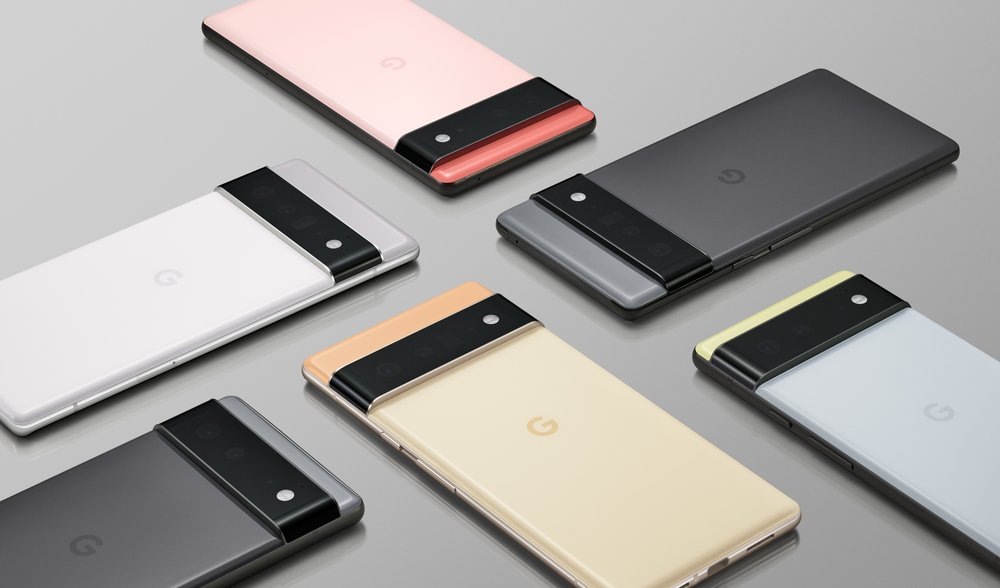
My cousin visited last month with her brand new Google Pixel 9, and within about ten minutes of scrolling through it one handed on my couch, she muttered something that made me laugh out loud. She said her thumb felt like it was doing a full workout just reaching the top corner of the screen. That comment sent us down a rabbit hole comparing phone sizes across her last few devices, and eventually the conversation drifted, as these things always do with me, straight into repair costs and screen quality, since I still have an old Pixel 6 sitting in a drawer that I finally decided needed a Google Pixel 6 Replacement OLED Screen after years of a stubborn crack in the corner.
That evening ended up teaching both of us something useful, her about phone ergonomics and me about just how much screen technology has shifted across just a few Pixel generations. Let me walk you through everything we covered, because I suspect plenty of people searching about Pixel size and one handed comfort are also quietly wondering about repair costs on their older devices sitting in a drawer somewhere.
Is The Google Pixel 9 Actually Comfortable For One Handed Use
Let us tackle the size question first, since that is really where this whole conversation started. The Pixel 9 sits at a size that Google clearly designed for a balance between screen real estate and everyday comfort, but comfort really depends on your hand size and how you personally hold a phone during the day. My cousin has smaller hands, and she genuinely struggled reaching the top notification shade without adjusting her grip constantly, something she never had to think about with her older, smaller device.
I tried using it one handed myself for a full day just to compare, and honestly, it felt manageable but not effortless. Reaching the very top corner required a small shift in grip, similar to stretching just slightly further than feels completely natural. If you are someone who values true one handed comfort above screen size, this is worth testing in person before buying, since specs on paper rarely capture how a phone actually feels resting in your palm during a busy afternoon.
Also Read:
iPhone 17 Screen Replacement OLED
The Drawer Full Of Old Phones
I have this embarrassing habit of keeping every old phone I have ever owned in a drawer, telling myself I will eventually sell them or hand them down to someone. My Pixel 6 has been sitting there for a while now, screen cracked from a drop I do not even remember clearly anymore, just one of those moments that blur together after enough years of phone ownership. Talking with my cousin that evening finally pushed me to actually look into fixing it rather than letting it collect dust indefinitely.
What A Proper Google Pixel 6 Replacement OLED Screen Involves
Here is where I want to slow down, because this part genuinely surprised me once I started researching seriously. The OLED panel on the Pixel 6 uses Google's own color calibration profile, tuned specifically for how their camera processing and display work together. A lower quality replacement panel can throw that calibration off just enough that colors look slightly washed out or oversaturated, something you might not notice immediately but will likely bother you within a week or two of daily use.
When people search specifically for Google Pixel 6 Replacement OLED Screen options, they are usually hoping for a fix that feels genuinely close to the original experience rather than a noticeably downgraded version of it. At E-Tech61, we always explain this distinction clearly before anyone commits, since the price difference between a properly matched panel and a budget alternative often feels small upfront but makes a real difference in daily satisfaction.
Comparing Screen Repairs Across Different Pixel Generations
Since my cousin and I ended up comparing several Pixel models that evening, I figured it is worth breaking down how repair considerations shift across generations, since the technology genuinely evolved in meaningful ways.
Also Read:
Silicone Cover for Samsung Galaxy
Pixel 8 Screen Considerations
The Pixel 8 introduced some refinements to display brightness and efficiency compared to the Pixel 6, and repairing this generation reflects that. A Google Pixel 8 OLED LCD Screen Replacement needs to account for slightly different calibration profiles and a marginally different panel construction, which means parts are not interchangeable between generations even though they might look similar at a glance. I have seen people assume otherwise, trying to save money by sourcing a cheaper cross generation part, only to end up with a screen that technically fits but behaves oddly once installed.
Pixel 8 Pro Screen Considerations
Stepping up to the Pro tier, things get even more particular. A Google Pixel 8 Pro OLED LCD Screen Replacement involves a panel built to a higher brightness ceiling and tighter integration with the phone's advanced camera and sensor array. This is genuinely one of the more delicate repairs we handle regularly, since misalignment during installation can affect everything from touch accuracy to how well the always on display feature performs afterward.
Looking Ahead To Pixel 9 Repairs
Given how quickly my cousin is already living with her Pixel 9 daily, it is only a matter of time before repair requests for this generation become common too. A Google Pixel 9 Pro Replacement Battery Back Cover is already something we get asked about occasionally, usually from people who dropped their phone shortly after buying it and want to address cosmetic damage before it becomes a bigger issue. Battery back covers might seem like a minor cosmetic concern compared to a cracked front screen, but a damaged cover can actually expose internal components to dust and moisture over time, which nobody wants happening to a brand new device.
Why Repairing An Older Pixel Still Makes Sense
I know some people hear about an old Pixel 6 sitting in a drawer and immediately think, why bother fixing something that old. Fair question, honestly, and I asked myself the same thing before finally committing to the repair. But here is the thing. The phone still runs perfectly well for basic tasks, the battery still holds a reasonable charge, and everything else about it works exactly as it should. The only actual problem was that cracked screen sitting there mocking me every time I opened that drawer.
Once I compared the cost of a proper Google Pixel 6 Replacement OLED Screen against buying something entirely new, the math made the decision pretty obvious. Repairing extended the useful life of a device that otherwise had plenty of life left in it, and honestly it felt good knowing I was not just tossing a functional phone aside purely because the screen had a crack.
What To Look For When Choosing A Repair Provider
Whether you are dealing with a Pixel 6, 8, or even planning ahead for eventual repairs on something newer like the Pixel 9, here are the questions I now ask before trusting anyone with a repair.
Ask specifically what panel quality they use, and expect a clear, direct answer rather than vague reassurances about quality without any real detail behind them.
Ask about warranty coverage specifically for the display component, since general repair warranties sometimes exclude screens or apply shorter coverage windows to them.
Ask how many devices of your specific model the technician has actually worked on, since experience with the exact generation matters more than general repair experience across unrelated phones.
Read a mix of reviews, not just the glowing ones, since the middle ground reviews tend to reveal the most honest picture of what to expect.
Also Read:
iPhone LCD Screen Replacement
How E-Tech61 Approaches Repairs Across Every Pixel Generation
Every device that comes through our doors gets the same careful attention regardless of how old or new it happens to be. We do not push people toward replacement devices just because a phone has a few years on it, and we explain calibration differences between generations clearly so customers understand exactly why parts are not universally interchangeable. Whether someone needs a Google Pixel 6 Replacement OLED Screen, a Pixel 8 Pro panel swap, or eventually a battery back cover repair on a newer Pixel 9, the same principle applies. Understand what you are paying for, and choose quality over the lowest number you can find.
What My Cousin Ended Up Deciding
After our whole conversation that evening, she decided to just adjust her grip and get used to the Pixel 9 rather than switching devices entirely, mostly because she loved the camera improvements too much to give up. But she did walk away with a much better understanding of what to expect if she ever drops that phone and needs a repair down the line, including why a proper battery back cover replacement matters even for something that seems purely cosmetic at first glance.
As for my old Pixel 6, it is finally out of that drawer and back in regular rotation as a backup device, screen looking and feeling just like it did years ago before that unfortunate drop. There is something oddly satisfying about bringing an old device back to life rather than just letting it sit forgotten, and honestly, that feeling alone made the whole repair worth it beyond just the practical savings.
Final Thoughts
Whether you found this article searching for honest thoughts on Pixel 9 ergonomics and one handed comfort, or you are quietly wondering what a proper Google Pixel 6 Replacement OLED Screen actually costs for a device sitting forgotten somewhere in your own home, I hope walking through our evening comparison gave you something useful. Phone size comes down to personal preference more than any spec sheet can capture, and repair decisions come down to understanding real quality differences rather than just chasing the cheapest number available. Take the time to test devices in person when you can, and take the time to ask real questions before committing to any repair. Both decisions genuinely pay off in daily comfort and long term satisfaction
Share:
Find The Best iPhone Battery Replacement Near Me Easily
Google Pixel 9 Pro OLED LCD Screen Repair Compared