
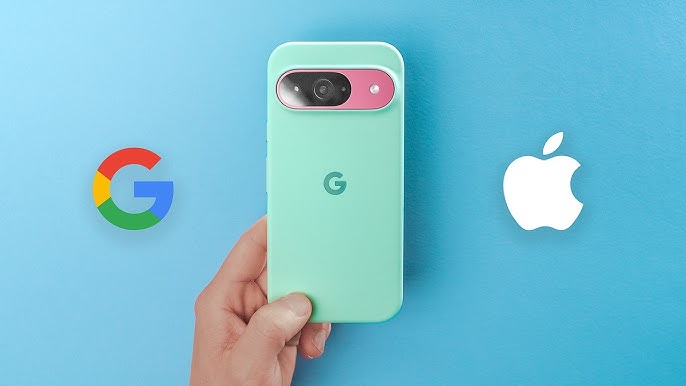
A customer walked into the shop a while back holding two phones at once, a Pixel 8 Pro in one hand and a brand new Pixel 9 Pro XL in the other, looking genuinely torn about which one to keep repairing and which one to just retire. He had cracked the screen on his older Pixel months earlier and never quite got around to fixing it, and now he was staring down the same decision from a completely different angle. Fix the old one, or lean fully into the new device and stop worrying about it. That conversation ended up being one of the more interesting repair consultations I have had in a while, mostly because it forced me to actually sit down and compare these two phones properly rather than just assuming the newer one automatically wins in every category.
If you are somewhere in that same boat right now, trying to understand how these two devices actually compare, especially when it comes to something as fundamental as the display, I want to walk you through what I learned that day and everything I have picked up since about the Google Pixel 9 Pro OLED LCD Screen and how it stacks up against its predecessor.
What Makes The Google Pixel 9 Pro OLED LCD Screen Different
Google made some genuinely meaningful improvements with this generation, and it is not just marketing fluff either. The panel technology behind the Pixel 9 Pro display pushes brightness levels noticeably higher than the previous generation, which matters more than people expect until they are trying to read a text message outdoors on a bright afternoon and squinting at their old phone while their friend's new one stays perfectly legible. I noticed this myself standing outside a coffee shop comparing both devices side by side, and the difference was honestly a bit embarrassing for the older model.
When people search specifically for information about the Google Pixel 9 Pro OLED LCD Screen, they are usually trying to figure out one of two things. Either they are deciding whether the display improvements justify upgrading, or they already own the device and are dealing with damage and want to understand what quality repair options actually look like. I am going to cover both angles here, because honestly they are more connected than people initially assume.
Also Read:
Google Pixel 8 Pro OLED LCD Screen Replacement
The Day I Actually Compared Both Screens Properly
I will admit I went into that shop conversation assuming the newer screen would just obviously be better in every measurable way, the way marketing usually frames these generational jumps. But sitting both phones side by side under different lighting conditions taught me something more nuanced. The Pixel 9 Pro screen genuinely excels in bright outdoor conditions and shows richer color depth in certain content, but the Pixel 8 Pro display still holds up remarkably well for everyday indoor use, reading, browsing, the normal stuff most of us do constantly throughout the day. It was not the blowout difference I expected walking in.
Repair Considerations For Both Generations
This is really where things get practical, and honestly where most people actually need help rather than abstract spec comparisons.
If you are dealing with a damaged Pixel 9 Pro, understanding repair options for the OLED LCD Screen matters just as much as understanding its original specs. Because this is a newer device, genuine quality replacement parts can occasionally be less widely available compared to older, more established models, though that situation improves steadily as more time passes since launch. Patience sometimes pays off here, since rushing into a lower quality aftermarket panel on a device this new often leads to noticeable color or brightness inconsistencies compared to the original factory screen.
On the older side, a Google Pixel 8 Pro OLED LCD Screen Replacement has become a much more established repair by now, with wider part availability and technicians who have handled this exact model dozens of times over. That maturity in the repair market genuinely shows in more consistent outcomes, which is honestly one argument in favor of keeping an older device running rather than immediately jumping to whatever launched most recently.
Small Components That Make A Big Difference
Screens get most of the attention in these comparisons, understandably, since they are the most visible and expensive component. But smaller parts matter more than people realize until something goes wrong with them specifically.
Side Buttons Take More Abuse Than You Think
Physical buttons endure an enormous amount of repeated pressure over the life of a device, and eventually that wear catches up. A Google Pixel 9 Pro Replacement Side Power Volume Button request usually comes from someone who noticed their button feeling mushy, sticking slightly, or not registering presses reliably anymore. It sounds like a minor annoyance until you are trying to quickly silence your phone in a meeting and the volume button simply refuses to cooperate. I have been there myself, fumbling awkwardly while a room full of people watched me struggle with something that should take half a second.
SIM Trays Get Overlooked Until They Fail
Here is a small detail that rarely gets discussed but genuinely matters for people who swap SIM cards occasionally, whether for travel or switching carriers. A Pixel 8 Pro SIM Card Tray Gold replacement comes up more often than you might expect, usually from a tray that got bent slightly during a drop or simply wore down from repeated insertion and removal over time. It is such a tiny piece of metal, easy to overlook entirely, until you are standing at an airport unable to insert your travel SIM because the tray will not seat properly anymore.
Comparing The Overall Ownership Experience
Stepping back from individual components for a moment, the real question most people are actually asking when they compare these two phones is which one serves their daily life better, not just which one wins on a spec sheet. The Pixel 9 Pro XL brings meaningful improvements in display brightness and processing power, sure, but the Pixel 8 Pro remains a genuinely capable device that continues to receive support and maintain strong repair infrastructure since it has been on the market longer.
Think of it a bit like comparing a well established restaurant with years of consistent quality against an exciting new opening still finding its footing. The new place might genuinely offer something exciting and fresh, but the established spot has ironed out its kinks and built a reliable track record you can count on.
Also Read:
Samsung S8 Plus OLED Replacement
How To Decide Which Path Makes Sense For You
Based on that shop conversation and plenty of similar ones since, here is roughly how I help people think through this decision.
If display quality in bright outdoor conditions genuinely matters for how you use your phone daily, the improvements in the Pixel 9 Pro screen are noticeable enough to justify prioritizing the newer device, especially if you are someone who spends a lot of time outside or in bright environments.
If you already own a Pixel 8 Pro and it is functioning well otherwise, investing in a quality repair rather than jumping to a new device usually makes more financial sense, particularly since the repair market for this model has matured nicely by now.
If cosmetic wear like a damaged SIM tray or a sticky side button is your only real complaint, addressing that specific issue is almost always more sensible than replacing an entire device that otherwise works perfectly fine.
Why Repair Quality Matters Regardless Of Which Device You Choose
Whether you end up sticking with a Pixel 8 Pro or moving forward with a Pixel 9 Pro, the underlying lesson stays consistent. Quality parts and experienced technicians make an enormous difference in how satisfied you feel with any repair, regardless of which generation of phone you own. At E-Tech61, we treat every device with the same level of attention, whether someone walks in with the newest release or a model that has been reliably serving them for a couple of years already.
I have seen too many people rush toward budget repair options purely because a device feels older, assuming it does not deserve the same quality treatment as something newer. That assumption genuinely costs people more in the long run, since a poorly done repair on an older device just means an additional repair sooner than expected, essentially doubling the hassle and expense for no good reason.
What My Customer Ultimately Decided
Going back to that original conversation that inspired this whole comparison, he ended up keeping both phones honestly. He repaired the Pixel 8 Pro screen properly, using quality parts through us at E-Tech61, and kept it as a reliable secondary device, while using the Pixel 9 Pro XL as his daily driver specifically because of how much he valued that brighter outdoor display for his job, which involves being outside constantly. It was not really an either or decision in his case, and honestly that outcome made a lot of sense once we talked through his actual daily habits rather than just comparing spec sheets in the abstract.
Also Read:
iPhone 17 Pro SIM Card Tray
Final Thoughts On Comparing These Two Generations
Looking back at every conversation I have had comparing the Pixel 9 Pro XL against the Pixel 8 Pro, the takeaway remains fairly consistent regardless of who is asking. Neither device is objectively wrong for someone to own, and the improvements in the newer generation, while genuinely meaningful in specific areas like display brightness, do not automatically make the older device obsolete or not worth maintaining properly. Understanding what actually matters for your daily habits, rather than just chasing whatever launched most recently, leads to a much more satisfying decision either way.
That customer standing in the shop holding both phones taught me something valuable that day, something I still think about with nearly every comparison conversation since. Sometimes the best answer is not choosing one device over the other, but understanding clearly what each one genuinely offers so you can make a decision that actually fits how you live, rather than one dictated purely by marketing hype around whatever just came out.
Share:
Google Pixel 6 Replacement OLED Screen Price Guide 2026
Samsung Galaxy S8 Replacement OLED LCD Screen Guide