
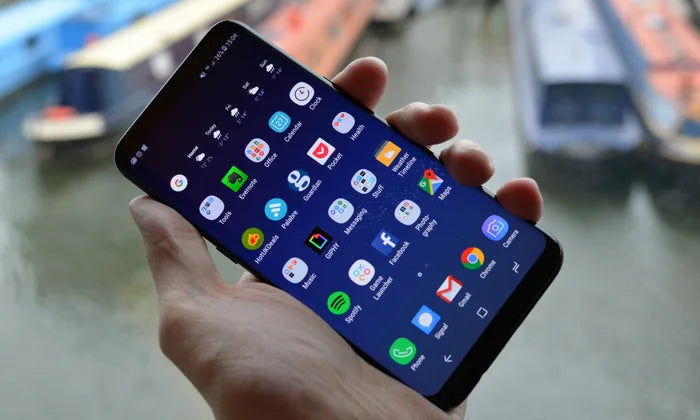
A few months ago my neighbor knocked on my door holding her phone like it was a wounded bird, screen shattered in that unmistakable spider pattern we all dread seeing. She had bought a screen protector for it, a decent one too, but it had not been applied correctly, and a small air gap near the corner was apparently all it took. When the phone slipped off her couch arm and landed just right, that tiny weak spot became the entry point for a crack that spread across the entire display. She ended up needing a full Samsung S8 Plus OLED Replacement With Frame Screen, and that conversation on my doorstep is honestly what pushed me to sit down and write this.
Because here is the thing nobody tells you clearly enough. A phone protector guide is not just about slapping a case on and calling it done. Real protection is about understanding how these devices actually fail, what parts take the brunt of the damage, and what your realistic options are when protection was not quite enough. Let us dig into all of it properly.
Why Samsung S8 Plus OLED Replacement With Frame Screen Comes Up So Often
The Samsung Galaxy S8 Plus has that gorgeous curved edge display, the kind that made everyone stop and stare back when it launched. But that same curved design creates a genuine challenge when it comes to protection. Flat screen protectors do not sit properly against curved glass, leaving those exposed edges vulnerable exactly where impacts tend to concentrate. That is precisely why so many repair requests for this device specifically mention needing the frame included, not just the glass panel itself.
When someone searches for Samsung S8 Plus OLED Replacement With Frame Screen, they have usually already learned this lesson the hard way, often after a previous repair using just a bare panel left gaps around the edges that let dust or moisture creep in over time. Including the frame in the replacement solves that problem at the source, giving you a seal that actually matches how the phone was originally built.
Also Read:
Samsung S8 Plus OLED Replacement
The Case That Changed How I Think About Protection
I used to be pretty casual about phone cases, honestly. I would grab whatever was cheapest at the checkout counter and assume it was doing its job. Then I dropped my own phone from about waist height onto a wooden floor, and the case did absolutely nothing to prevent a crack right along one edge. That was the moment I actually started researching what separates a genuinely protective case from something that just looks the part. Turns out there is a real difference between marketing claims and actual drop test performance, and most of us never bother checking until it is too late.
What Real Protection Actually Looks Like
Let me break down what I now consider genuinely effective protection, based on both personal trial and error and years of watching what actually prevents repair visits versus what just delays them slightly.
A properly fitted tempered glass protector should extend edge to edge, or as close as physically possible given the curved design constraints of a phone like the S8 Plus. Gaps invite exactly the kind of failure my neighbor experienced.
A raised lip case, even a slim one, keeps the screen from making direct contact when the phone lands face down, which honestly is the single most common drop scenario I hear about from customers.
Corner reinforcement matters more than people realize, since corners absorb impact force differently than flat surfaces and tend to crack first in most drop incidents.
None of this guarantees a phone survives every single drop unscathed, and anyone promising that is overselling you. But good protection dramatically reduces how often you end up needing something like a full screen and frame replacement.
When Protection Was Not Enough
Even with the best gear, accidents happen, and honestly that is just the reality of carrying a small glass rectangle around in our pockets and bags all day. So let us talk about what comes next when protection fails and repair becomes necessary.
If your screen is the main casualty, a Samsung S8 Plus OLED Replacement With Frame Screen restores both the display quality and that structural seal I mentioned earlier. At E-Tech61, we always recommend the frame inclusive version specifically for this device because of that curved edge design, even though it sometimes costs a bit more than a bare panel option. The long term durability difference genuinely justifies it in most cases.
But screens are not the only casualty worth checking after a hard drop. A cracked or dented Samsung Galaxy S8 Plus Replacement Rear Cover is incredibly common alongside front screen damage, especially in drops where the phone bounces or flips during impact. I always tell customers to check both sides of their phone after any significant drop, because focusing only on the visibly cracked front sometimes means missing quieter damage happening on the back.
Also Read:
Samsung Galaxy S8 Plus Charging Port
Charging Ports Get Overlooked Constantly
This is a part of phone protection that almost nobody thinks about until it becomes a problem. Charging ports take a surprising amount of abuse, from pocket lint buildup to the physical stress of cables being plugged and unplugged at awkward angles day after day. If you also own or manage devices like a Galaxy M35 5G, a Galaxy M35 5G Replacement Charging Port Board request often comes from exactly this kind of gradual wear rather than a single dramatic drop.
The same goes for newer devices in a household. A Samsung Galaxy A51 A516F Replacement Charging Port is another repair we see regularly, usually from someone who noticed their phone charging inconsistently for weeks before finally addressing it. Think of a charging port like the hinge on a door that gets used dozens of times daily. Eventually, even with careful use, that repeated motion causes wear that no case or screen protector can prevent, since it is happening on the inside of the device entirely.
Building A Complete Protection Routine
I like to think of phone protection the same way I think about maintaining a car. You would not just change the oil and ignore the tires, brakes, and everything else that keeps the vehicle running safely. Phones deserve that same holistic thinking rather than just focusing on the screen because it is the most visible and emotionally frustrating part to damage.
Here is roughly what a complete routine looks like based on what I have learned through my own mistakes and years of conversations with customers.
Choose a screen protector rated specifically for curved displays if your device has one, rather than a generic flat protector that will inevitably leave gaps.
Pick a case with genuine drop test certification rather than just marketing language promising protection without any evidence behind it.
Periodically check your charging port for lint or debris buildup, since a quick cleaning with a soft brush prevents a surprising number of future charging port repairs.
Avoid setting your phone down carelessly on hard surfaces, even briefly, since so many cracks happen during those quick moments we barely think about.
Why Frame Inclusive Repairs Matter Long Term
Going back to that core idea of a Samsung S8 Plus OLED Replacement With Frame Screen, I want to explain why this distinction genuinely matters rather than just being a pricing upsell. A frame inclusive replacement essentially rebuilds the structural integrity of the phone's front assembly, not just the visible display. That seal keeps moisture out, keeps the panel properly aligned within the housing, and generally results in a repair that feels closer to how the phone originally performed straight out of the box.
I have seen the alternative too many times, phones repaired with just a bare panel that develops a slightly loose feeling around the edges within months, sometimes even letting in enough moisture to cause display issues down the line. It is a bit like patching just the surface of a leaking roof without addressing the underlying structure. It might look fine for a while, but the underlying problem tends to resurface eventually.
Also Read:
Samsung Galaxy S8 Plus Replacement Battery
My Neighbor's Phone, One Month Later
I checked in with my neighbor recently, curious how her repaired phone was holding up. She went with the frame inclusive replacement after I explained the difference, and she has been genuinely pleased with how solid it feels compared to her old cracked screen. This time around she also applied a proper curved edge protector, correctly seated with no air gaps, and paired it with a case that actually has drop test documentation behind it rather than just a confident sounding product description.
That combination, quality protection paired with a properly done repair when needed, is really the whole message I want you to take away here. Protection reduces how often you need repairs, but it does not eliminate that need entirely, and understanding both sides of this equation keeps you from feeling blindsided when accidents inevitably happen.
Final Thoughts
Phones are tougher than people give them credit for in some ways, and more fragile than we would like in others. The Samsung S8 Plus, with its beautiful curved display, sits right at that intersection where good protection genuinely matters and where repairs, when they become necessary, deserve to be done properly rather than with shortcuts. Whether you are researching protective gear before anything goes wrong, or you are already dealing with a cracked screen, a worn charging port, or a dented rear cover, take the time to understand what you are actually choosing rather than grabbing the first option you see.
That doorstep conversation with my neighbor reminded me why I care about explaining this stuff clearly instead of just quoting prices and moving on. A little bit of knowledge genuinely changes how people protect and repair their devices, and honestly, that feels worth writing about every single time.
Share:
Samsung S8 Plus OLED Replacement Costs And More Options
Galaxy S8 Plus Replacement Earpiece Speaker Guide